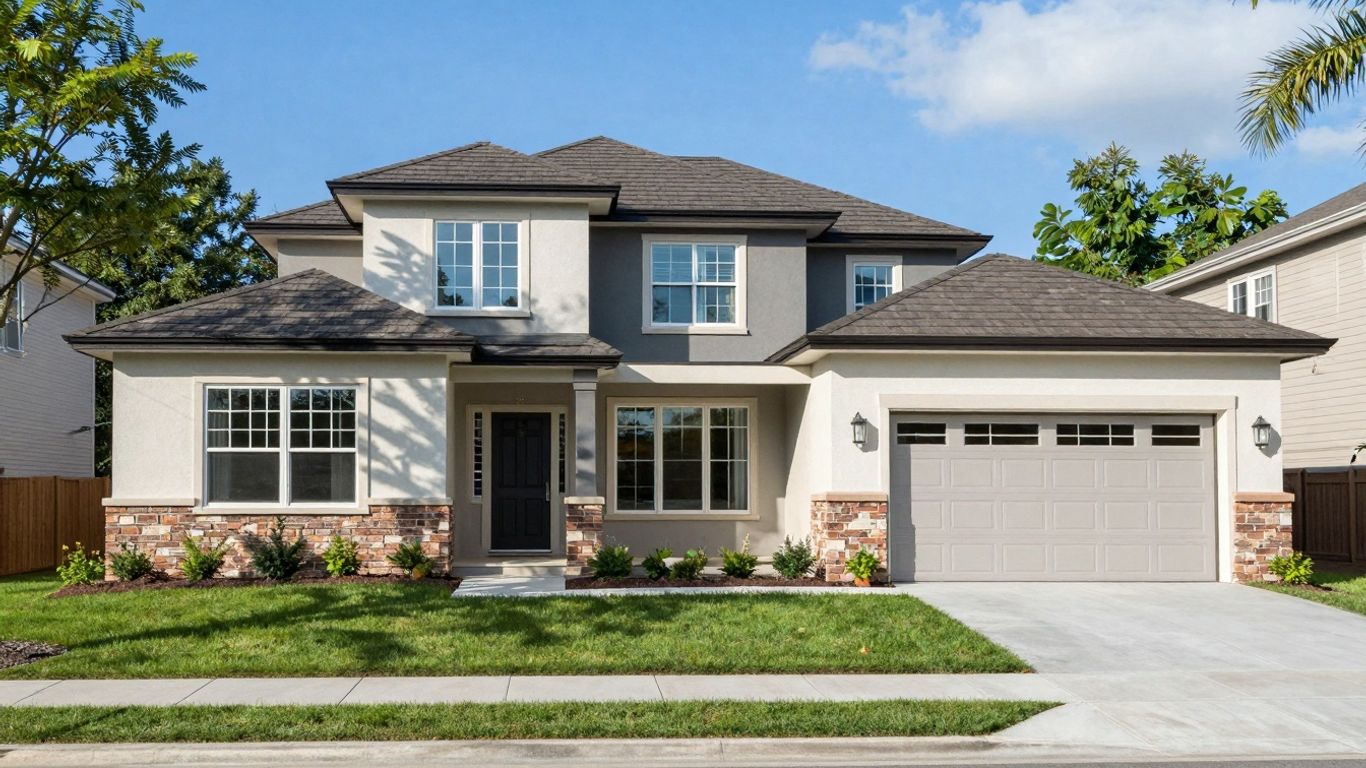
Choosing a home is more than selecting the right property. The neighborhood we live in affects safety, convenience, lifestyle, and long-term property value. Even a well-built house can become a source of stress if the area does not meet our needs.
Many people focus only on the property itself, neglecting the surrounding environment. This can lead to high traffic noise, poor access to schools and hospitals, lack of security, or difficulties with daily commutes.
Evaluating a neighborhood carefully before moving in is essential. This process allows us to make an informed decision, avoid future regret, and ensure that our home fits both our present and long-term lifestyle. In this guide, we explain practical steps to assess a neighborhood comprehensively.
Why Evaluating a Neighborhood Matters
Before moving, understanding the neighborhood is crucial for multiple reasons:
- Ensures safety and peace of mind: Living in a secure environment protects our family, belongings, and well-being. Areas with high crime rates, poor street lighting, or frequent disturbances can significantly affect comfort and stress levels.
- Helps with accessibility: Choosing a neighborhood close to work, schools, hospitals, shops, and other services saves time, energy, and transportation costs. It allows for smoother daily routines and less commuting stress.
- Influences property value: Neighborhood quality affects the potential resale or rental value of a home. Areas with strong infrastructure, community engagement, and planned development generally maintain or increase property value over time.
- Improves quality of life: A neighborhood with clean streets, functional public transport, active communities, and recreational spaces enhances our daily experience. Green spaces, parks, and recreational areas also improve health and mental well-being.
- Prevents long-term regret: Moving is a major commitment. Choosing the wrong area can create frustrations that are difficult to solve later, such as lack of access to amenities, safety concerns, or unpleasant living conditions.
Evaluating a neighborhood carefully ensures we choose an area that supports comfort, convenience, and investment potential.
Key Factors That Affect Neighborhood Quality
Several factors determine whether a neighborhood is suitable for living:
- Safety and crime rates: A low-crime area reduces the risk of theft, vandalism, or personal harm. Reliable information on local safety, police presence, and crime trends is critical.
- Access to amenities: Proximity to schools, hospitals, grocery stores, banks, and recreational facilities affects convenience and lifestyle quality. A neighborhood lacking essential services may cause daily stress and extra costs.
- Transportation and commute: Access to public transport, road networks, and commute times impacts both cost and time management. Convenient neighborhoods reduce travel fatigue and improve productivity.
- Cleanliness and environment: Well-maintained streets, effective waste management, and green spaces improve comfort and health. Areas with poor sanitation or frequent pollution can negatively affect daily life.
- Community and social atmosphere: Friendly neighbors, active community associations, and social engagement contribute to a supportive environment. Community events and communication channels help with security and social needs.
- Future development plans: Urban planning, construction projects, and zoning changes can affect property values and living conditions. Knowledge of upcoming infrastructure or commercial developments helps anticipate noise, congestion, or benefits to property investment.
By analyzing these factors, we can make a more informed decision before committing to a neighborhood.
Main Steps to Evaluate a Neighborhood
This is the core of the process. A step-by-step evaluation helps us see all aspects of an area and avoid surprises.
1. Visit the Area Personally
Step: Walk, drive, or cycle through the neighborhood at different times of day.
Why it helps: Firsthand observation provides a clear sense of the environment. Morning, afternoon, and evening visits show traffic flow, noise levels, lighting, street activity, and security. Observing the area during weekends or holidays reveals lifestyle patterns, such as crowding, markets, or community interactions.
Tip: Take notes or photos during visits to compare neighborhoods objectively.
2. Check Safety and Crime Statistics
Step: Research local crime data, police reports, or consult residents.
Why it helps: Understanding crime trends protects against unsafe areas. Frequent thefts, break-ins, or disturbances indicate the need for extra security measures. Talking to long-term residents gives insight into trends that official reports may not show.
Tip: Use online crime maps, local news outlets, or community apps to verify safety levels.
3. Assess Access to Amenities
Step: Identify essential services such as schools, hospitals, grocery stores, banks, gas stations, and parks.
Why it helps: Access to nearby amenities reduces time spent traveling and increases convenience. Families, especially those with children or elderly members, benefit from being close to hospitals and schools. Checking the number and quality of local amenities also helps evaluate the long-term livability of the area.
Tip: Create a checklist of critical amenities to ensure the neighborhood meets all essential requirements.
4. Evaluate Transportation and Commute
Step: Examine availability of public transport, road conditions, and commute times to work, schools, or other frequently visited places.
Why it helps: Transportation affects time management, fuel costs, and overall lifestyle. Poor connectivity can create stress and reduce overall satisfaction.
Tip: Test actual commute times during peak hours to get realistic estimates, rather than relying solely on maps or online estimates.
5. Observe Neighborhood Condition
Step: Look at street cleanliness, road quality, property maintenance, and waste disposal systems.
Why it helps: Well-maintained neighborhoods reflect responsible residents and effective local governance. Poor maintenance or abandoned buildings may indicate low community involvement, potential security issues, or slow emergency response times.
Tip: Check for functional streetlights, repaired sidewalks, and properly managed public spaces as signs of neighborhood quality.
6. Meet Residents and Gather Opinions
Step: Talk to neighbors, local shopkeepers, security personnel, or community leaders.
Why it helps: Residents provide insights into community dynamics, security issues, noise patterns, and daily life that are not visible during brief visits. Honest opinions reveal the lifestyle, convenience, and potential challenges of the area.
Tip: Ask specific questions about crime, noise, neighbor interactions, and reliability of utilities.
7. Consider Future Development
Step: Research urban planning projects, infrastructure development, and commercial or residential zoning plans.
Why it helps: New projects can improve property value or increase convenience, but they can also bring traffic congestion, noise, and changes to the environment. Understanding future development helps anticipate long-term living conditions and investment potential.
Tip: Check city planning documents, local government websites, and community forums for upcoming changes.
8. Compare Property Prices and Rental Rates
Step: Examine listings for homes and rentals in the area.
Why it helps: Understanding market rates ensures we pay fair prices and prevents overpaying. Comparison also highlights areas with growth potential and helps make better investment decisions.
Tip: Record prices for similar properties in multiple neighborhoods to make informed comparisons.
Red Flags to Watch Out For
Even seemingly good neighborhoods may have warning signs:
- High noise levels from traffic, airports, or industries
- Poorly maintained or abandoned properties
- Frequent police, ambulance, or emergency activity
- Inadequate basic infrastructure, like lack of streetlights, water, or sanitation
- Signs of flooding, erosion, or poor drainage
Noticing these issues before moving prevents future stress and unexpected expenses.
How Neighborhood Evaluation Supports Long-Term Decisions
Evaluating neighborhoods before moving in helps with:
- Choosing a home that meets family needs: Ensures access to schools, healthcare, parks, and safe outdoor spaces.
- Financial planning: Aligns housing costs with lifestyle, transport, and convenience.
- Predicting property value growth: Neighborhoods with strong infrastructure and community engagement tend to appreciate in value.
- Ensuring comfort and safety: Living in a supportive environment improves mental health and overall satisfaction.
The process allows us to move in confidently and avoid costly mistakes.
Practical Tips for First-Time Movers
For a structured evaluation:
- Visit multiple times and at different hours to see full range of activity.
- Use online maps, tools, and apps to check amenities, traffic, and services.
- Compare several neighborhoods side by side to weigh pros and cons.
- Trust instincts: feelings about safety and comfort matter.
- Document observations with notes, photos, or rating charts for clarity.
- Consult real estate agents familiar with local areas, but always verify their information independently.
A thorough approach reduces uncertainty and helps make informed decisions.
Long-Term Considerations
Neighborhood choice affects not just daily life, but long-term outcomes:
- Investment potential: Quality neighborhoods tend to have stable or increasing property values.
- Community involvement: Active neighborhoods provide support, security, and better living experience.
- Lifestyle alignment: Availability of recreation, transport, and social activities aligns with personal and family needs.
- Future adaptability: Knowing local plans allows us to anticipate changes in traffic, infrastructure, or community dynamics.
Conclusion
A neighborhood can define the experience of living in a home. Careful evaluation helps us avoid mistakes that affect safety, convenience, and quality of life.
By examining safety, amenities, transportation, environment, community, and future development, we can make informed decisions. Evaluating neighborhoods thoroughly ensures that the home we choose supports our lifestyle, meets family needs, and provides a safe, comfortable, and enjoyable living environment.