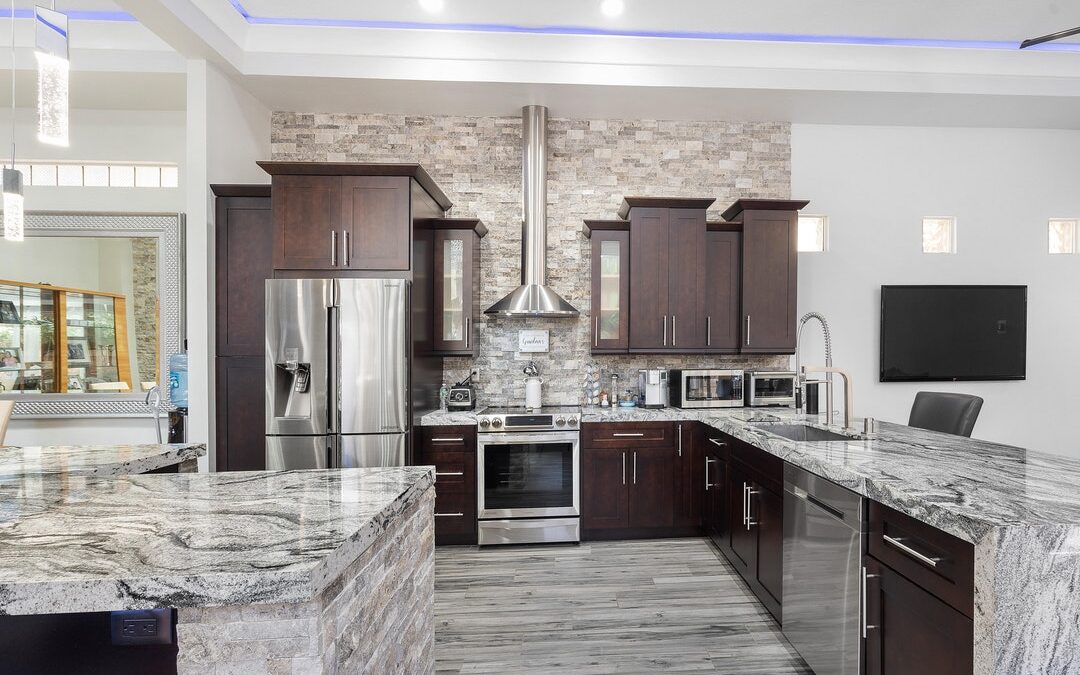
The kitchen is one of the most used spaces in our home. We spend hours there preparing meals, cleaning up, and sometimes even working or socializing. Because it is such a central area, even small upgrades can have a big impact on how we feel and how efficiently we use the space.
Many people think that a kitchen renovation requires thousands of dollars and weeks of construction. In reality, careful planning, smart choices, and small improvements can completely transform the space without breaking the bank.
In this article, we explain how to upgrade your kitchen on a budget. We cover practical steps, affordable upgrades, DIY tips, and strategies to make the most of every dollar spent. By following these steps, we can refresh the kitchen, improve its functionality, and increase home value without overspending.
Why Kitchen Upgrades Matter
Before implementing any upgrades, it is important to understand why they are valuable.
- Improves daily cooking and living experience: Simple changes like better lighting, organized storage, and efficient layouts make cooking faster and cleaning easier.
- Increases property value: Even small upgrades, if chosen wisely, can enhance the kitchen’s appeal to future buyers. Kitchens are often a major selling point in any home.
- Enhances functionality and storage: Adding shelves, pull-out drawers, or better organizers increases usable space and reduces clutter.
- Refreshes the home’s appearance: Updating colors, handles, or lighting can give the kitchen a modern look without expensive renovations.
When planned carefully, small upgrades often provide more visual and functional impact than costly full-scale renovations.
Main Ways to Upgrade Your Kitchen on a Budget
This is the main section with practical, actionable ways to improve a kitchen while keeping costs low.
1. Refresh Cabinets and Drawers
Step: Paint cabinets, reface doors, or replace handles and knobs.
How it helps: Cabinets occupy a large part of the kitchen’s visual space. Even minor cosmetic updates, like painting in a modern color or adding new handles, can make the entire space feel fresh.
Tips:
- Use light colors to make small kitchens feel larger.
- Matte finishes hide fingerprints better than gloss.
- Spray painting or rolling paint yourself reduces labor costs.
- For handles, choose modern styles that complement the kitchen theme.
Estimated cost: $50–$200 for paint and new handles (DIY).
2. Upgrade Lighting
Step: Add under-cabinet lights, brighter bulbs, or stylish pendant fixtures.
How it helps: Proper lighting improves usability while cooking, highlights design features, and modernizes the kitchen.
Tips:
- LED strips under cabinets are affordable, energy-efficient, and easy to install.
- Consider replacing overhead bulbs with warmer or cooler tones depending on the kitchen style.
- Task lighting over workspaces improves functionality.
Estimated cost: $30–$150 depending on fixtures and LED strips.
3. Replace or Cover Countertops
Step: Use countertop paint, contact paper, laminate sheets, or affordable materials like butcher block.
How it helps: Countertops are a major visual element. A refreshed surface can transform the kitchen instantly without replacing the whole countertop.
Tips:
- Peel-and-stick laminate is simple to apply and removable.
- Countertop paint kits simulate marble or stone finishes.
- Focus on areas most visible or used frequently for maximum impact.
Estimated cost: $50–$200 for DIY covering options.
4. Improve Backsplash
Step: Add peel-and-stick tiles, paint a design, or install inexpensive tiles in high-impact areas.
How it helps: A backsplash protects walls, adds style, and draws attention to kitchen design details.
Tips:
- Use geometric patterns or simple subway tiles for modern appeal.
- Stick with waterproof, easy-to-clean materials.
- Peel-and-stick options are great for renters or temporary upgrades.
Estimated cost: $30–$150 depending on material and coverage area.
5. Update Appliances Strategically
Step: Replace only outdated or inefficient appliances like the fridge, stove, or microwave.
How it helps: Upgrading a few key appliances improves efficiency, modernizes the kitchen, and reduces utility costs without replacing all appliances.
Tips:
- Consider buying refurbished or gently used appliances.
- Energy-efficient models save money on electricity bills over time.
- Focus on appliances most used daily.
Estimated cost: $200–$800 per appliance, depending on model and condition.
6. Organize and Declutter
Step: Remove unnecessary items, clear countertops, and use drawer organizers or storage racks.
How it helps: Decluttered kitchens feel larger, cleaner, and more functional. Organization also makes cooking more efficient and reduces stress.
Tips:
- Use vertical storage to maximize cabinet space.
- Stackable containers make pantry items accessible and tidy.
- Consider lazy susans or pull-out racks for deep cabinets.
Estimated cost: $20–$100 for organizers and racks.
7. Add Decorative Touches
Step: Introduce rugs, small plants, wall art, or decorative jars.
How it helps: These small elements enhance the kitchen’s visual appeal and create a welcoming atmosphere.
Tips:
- Choose decor that complements cabinet color and countertop materials.
- Replace old dish towels and mats for a refreshed look.
- Plants improve air quality and add a natural touch.
Estimated cost: $10–$50 depending on items.
8. Consider Open Shelving
Step: Replace some upper cabinets with open shelves or remove doors from select cabinets.
How it helps: Open shelving provides easy access to everyday items, creates a modern look, and makes small kitchens feel airier.
Tips:
- Keep shelves organized to avoid clutter.
- Use baskets or matching containers for a clean appearance.
- Combine with decorative items like cookbooks or glassware for a stylish effect.
Estimated cost: $50–$200 for materials and DIY installation.
How to Plan Upgrades Without Overspending
Budget planning is critical to maximize value and prevent overspending.
- Make a list of priorities: Decide which areas need the most improvement—cabinets, countertops, lighting, or decor.
- Set a spending limit for each item: Knowing how much we can spend helps prevent impulse purchases.
- Compare prices and DIY options: Labor costs add up, so doing some upgrades ourselves saves money.
- Focus on high-impact changes: Choose improvements that enhance both function and aesthetics.
Planning ensures we get the most value for every dollar spent while keeping the project manageable.
How Small Changes Add Value
Even minor upgrades can make a big difference in appearance and functionality:
- Lighting improvements increase usability and appeal.
- Fresh cabinet paint or handles instantly modernize the space.
- Organized storage maximizes available space and reduces stress.
- Functional additions like pull-out shelves or storage racks improve usability.
Small, well-thought-out changes often provide more noticeable impact than costly full-scale renovations.
Tips for Doing It Yourself (DIY)
DIY upgrades save money and give us control over results.
- Learn from online tutorials: YouTube and blogs provide step-by-step instructions for painting, installing shelves, or adding backsplash.
- Buy materials at discount stores or online: Compare prices and look for sales.
- Start with one area at a time: Focus on cabinets first, then lighting, then decor to avoid feeling overwhelmed.
- Use basic tools: Most budget-friendly upgrades require only paintbrushes, screwdrivers, or peel-and-stick materials.
Even small DIY efforts can dramatically improve the kitchen while keeping costs low.
How to Sequence Your Kitchen Upgrade
A smart sequence saves money and effort:
- Declutter and organize to see what changes are needed.
- Paint cabinets and walls before installing new hardware or lighting.
- Install lighting upgrades and backsplash.
- Update or replace key appliances.
- Add decorative touches and final accessories.
By working systematically, we avoid unnecessary rework and achieve maximum impact for each upgrade.
Estimated Budget for a Full Low-Cost Upgrade
Here’s a sample budget to give perspective:
| Upgrade Area | Estimated Cost (DIY) |
|---|---|
| Cabinet paint & handles | $100–$200 |
| Lighting improvements | $30–$150 |
| Countertop covering | $50–$200 |
| Backsplash upgrade | $30–$150 |
| Appliance replacement | $200–$800 |
| Organizers & declutter | $20–$100 |
| Decorative touches | $10–$50 |
| Open shelving materials | $50–$200 |
| Total | $490–$1,850 |
Even with this range, the kitchen can feel fully refreshed and functional without a full renovation.
Conclusion
Upgrading a kitchen does not have to cost thousands of dollars. By focusing on strategic, low-cost improvements such as:
- Painting cabinets and replacing handles
- Adding functional and aesthetic lighting
- Covering countertops and refreshing the backsplash
- Organizing and decluttering
- Using small decorative touches and open shelving
We can transform the kitchen’s appearance, usability, and value.
With careful planning, a step-by-step approach, and DIY strategies, even a small budget can create a kitchen that looks modern, functions efficiently, and feels welcoming.