When we plan to build a house on a low budget, design becomes the most important step. A good design helps us save money, reduce waste, and still get a comfortable home.
Many people think low budget means poor quality, but we do not agree. With the right planning, we can build a simple, strong, and functional house without spending too much.
So, in this guide, we will walk through practical modern small house design ideas that we can apply step by step.
Understanding Small House Design
Before we move into design ideas, we need to understand what a small house really means.
A small house is not just about size. It is about how we use the available space.
- It can sit on a small plot of land
- It focuses on essential rooms only
- It avoids unused spaces
- It uses simple structure
The goal is not to reduce comfort. The goal is to remove waste.
When we understand this, it becomes easier to design better.
Choosing the Right House Shape
Now that we understand the basics, the next step is the shape of the building.
The shape of the house affects cost directly.
Simple Rectangular Design
We always recommend a rectangular or square shape.
- It is easy to build
- It uses fewer materials
- It reduces labor cost
- It speeds up construction
Complex shapes with too many corners increase cost. So we avoid them.
Compact Layout
We keep all rooms close to each other.
- Shorter wall length
- Less roofing area
- Less wiring and plumbing
This alone can reduce total cost in a big way.
Smart Floor Plan Layout
After choosing the shape, we move into the floor plan. This is where many people make mistakes.
We must design with purpose.
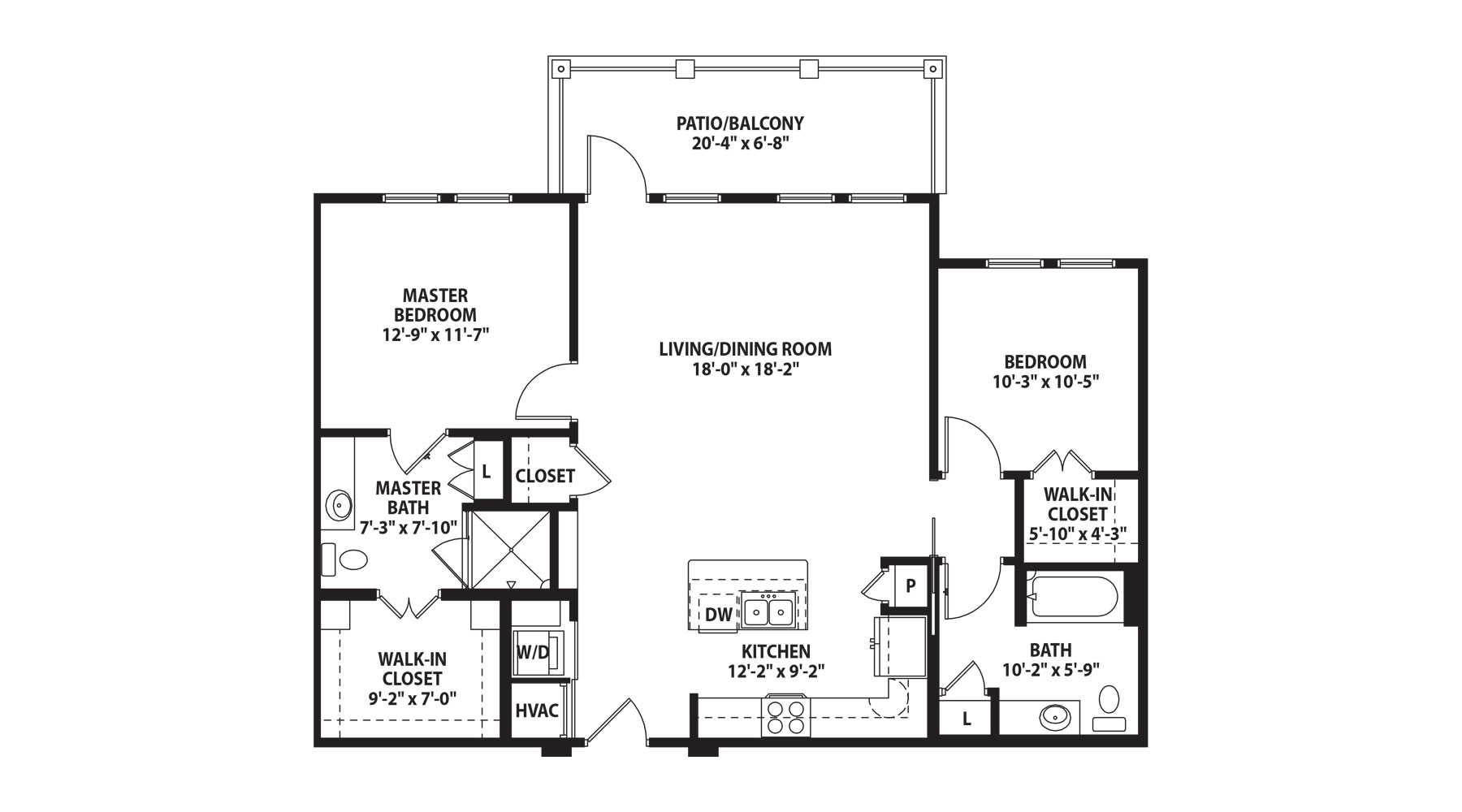
Open Living Space
Instead of separating the living room and dining, we can combine them.
- It saves wall materials
- It improves airflow
- It makes the house feel bigger
Proper Room Sizing
We avoid oversized rooms.
- Bedrooms should be moderate
- Kitchen should be functional, not large
- Bathroom should fit basic needs
Every extra square meter adds cost, so we control it.
Central Circulation
We avoid long corridors.
- Waste of space
- Adds cost without value
We place rooms in a way that movement is direct.
Use of Local Building Materials
At this stage, material choice becomes very important.
We always advise using materials that are easy to find locally.
Benefits of Local Materials
- Lower transport cost
- Easy availability
- Faster construction
- Better understanding by local workers
Examples include:
- Sandcrete blocks
- Laterite bricks
- Local timber
Imported materials increase cost, so we reduce them.
Roofing Design That Saves Cost
Roofing takes a large part of the budget, so we must plan it well.
Simple Roof Structure
We go for simple roof designs like:
- Gable roof
- Single slope roof
These are easy to construct and cheaper.
Reduce Roof Height
High roofs look good but increase cost.
- More materials
- More labor
- More heat inside
We keep the height moderate.
Choose the Right Roofing Sheets
We select based on budget:
- Aluminum sheets last longer
- Stone-coated sheets cost more
- Zinc is cheaper but may not last long
We choose what fits our budget and environment.
Window and Ventilation Planning
Next, we focus on airflow and light.
A well-ventilated house reduces heat and improves comfort.
Cross Ventilation
We place windows opposite each other.
- Air flows easily
- Reduces need for fans
Window Size Control
We avoid too many large windows.
- Increases cost
- Weakens wall strength
We balance size and number.
Natural Lighting
We allow sunlight into key areas:
- Living room
- Kitchen
This reduces electricity use during the day.
Simple Foundation Design
The foundation must be strong but not overdone.
Soil Test First
We must understand the soil type.
- Strong soil needs less reinforcement
- Weak soil needs more support
Avoid Overdesign
Some people spend too much on foundation.
We design based on actual need, not guess.
Interior Design on a Budget
Now we move inside the house.
We keep everything simple and functional.
Minimal Finishing
- Smooth walls instead of expensive designs
- Simple paint colors
- Basic ceiling design
Floor Finishing Options
- Tiles for durability
- Cement finish for lower cost
We choose based on budget.
Smart Storage
We create storage within walls where possible.
- Saves space
- Reduces need for furniture
Electrical and Plumbing Planning
This is another area where planning saves money.
Electrical Layout
We place sockets only where needed.
- Avoid excess wiring
- Reduce material cost
Plumbing Design
We group water areas together.
- Kitchen close to bathroom
- Short pipe distance
This reduces pipe cost and future repairs.
Exterior Design Without Extra Cost
The outside look matters, but we do not overspend.
Clean Wall Finish
- Simple paint
- No complex decorations
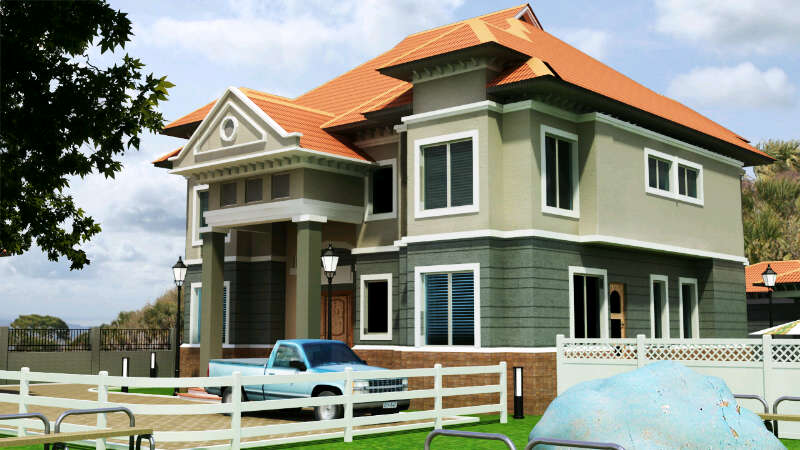
Basic Front Design
We can add:
- Small porch
- Simple pillars
We keep it neat, not complex.
Space for Future Expansion
Even with a small house, we plan for the future.
Leave Extra Space
We design the building position to allow:
- Additional rooms later
- Possible extension
Strong Structural Plan
We make sure the structure can support future changes.
This saves money in the long run.
Cost Breakdown Strategy
Now we look at how to control cost from start to finish.
Planning Stage
- Draw a clear plan
- Set a budget limit
Construction Stage
- Buy materials in phases
- Monitor workers
Finishing Stage
- Focus on essentials first
- Upgrade later if needed
We do not try to finish everything at once.
Common Mistakes to Avoid
Before we conclude, we must highlight common mistakes.
Overdesigning
Too many features increase cost without adding value.
Poor Planning
Starting without a clear plan leads to waste.
Ignoring Ventilation
This leads to discomfort later.
Using Expensive Materials Without Need
We only use what is necessary.
Conclusion
When we build on a low budget, design is our strongest tool.
If we keep the house simple, use local materials, plan our layout well, and avoid waste, we can achieve a modern small house without stress.
We do not need a big budget to build a good home. We only need the right approach.