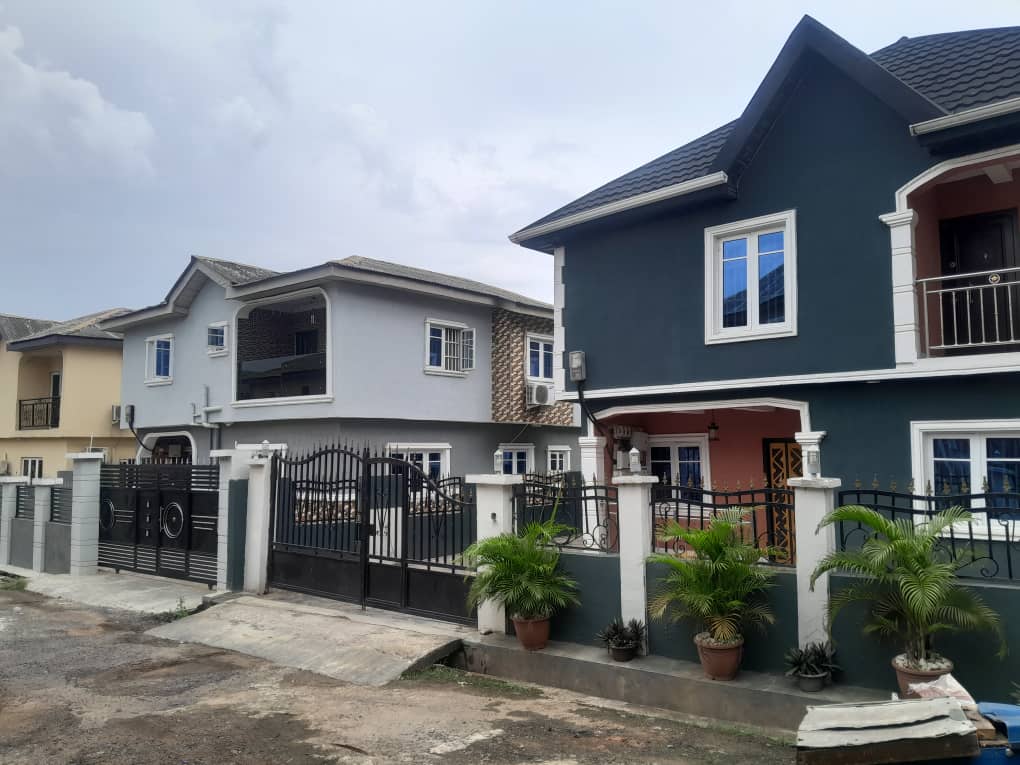
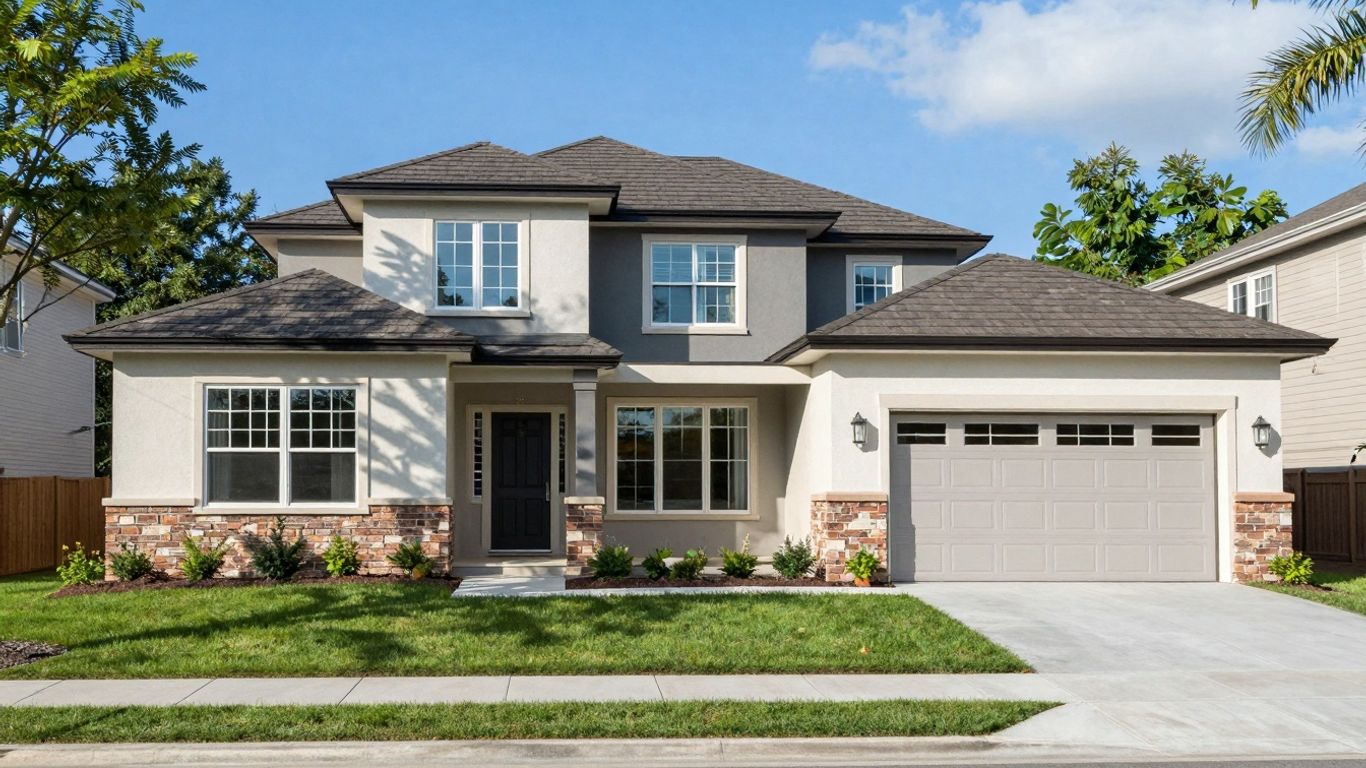
Renovating an old house in Nigeria is a smart way to save money compared to building a new one. We know that old houses often come with worn-out walls, outdated plumbing, and weak structures, but with the right approach, we can turn them into functional, durable, and attractive homes.
Our goal is simple: make the house livable and safe while keeping costs under control. Renovation also preserves the property value and, in some cases, allows us to modernize spaces for comfort and efficiency.
This guide takes us through every step, from inspecting the house to finishing touches, with practical strategies to save money and avoid common mistakes. Following these steps ensures our renovation project is organized, efficient, and successful.
Assessing the House
Before we start any work, we must understand the current condition of the house. A thorough assessment prevents unnecessary expenses and ensures that we focus on what matters most.
Steps to Assess the House:
- Inspect Walls and Floors
Check for cracks, peeling plaster, damp patches, or mold. Identify weak walls that may need reinforcement. Look for uneven floors or areas where tiles have come loose. - Examine Roof and Ceiling
Look for leaks, sagging areas, or damaged roofing sheets. Check the ceiling for water stains or termite damage. - Check Plumbing
Run water through all taps and showers. Look for leaks, clogged drains, or corroded pipes. - Examine Electrical Systems
Check sockets, switches, and the fuse box. Look for exposed wires or outdated installations. - Look for Pests
Termites, rodents, and other pests can weaken wood structures. Identify and note any infestation.
Outcome:
Create a detailed list of issues, separating them into must-fix structural problems and cosmetic upgrades. Take measurements and photos for reference when planning materials and labor.
Setting a Renovation Budget
Budgeting is crucial. Renovations often go over budget if we underestimate costs or fail to plan.
Steps for Budgeting:
- Estimate Costs for Each Stage
Break the renovation into categories: structural repairs, plumbing, electrical, roofing, flooring, painting, and finishing. Assign estimated costs to each. - Include Contingency
Add 10–15% for unexpected problems such as hidden water damage or structural issues. - Prioritize Repairs
Structural fixes and safety upgrades come first. Cosmetic work comes after. - DIY vs. Hiring Professionals
Determine which tasks we can handle ourselves (painting, minor carpentry) and which require skilled labor (electrical work, plumbing, roof repairs).
Keep a detailed spreadsheet of all expenses. This helps us track costs and prevent overspending.
Planning and Design
Renovation is not just about repairs—it is about improving functionality and aesthetics.
Steps to Plan and Design:
- Identify Areas for Improvement
Decide which rooms need reconfiguration or expansion. For example, removing a partition to create a larger living room. - Plan Modern Layouts
Consider airflow, lighting, and space utilization. Ensure kitchens and bathrooms are efficient and functional. - Select Finishes and Materials
Choose durable, cost-effective materials. Neutral paints, locally sourced tiles, and affordable fixtures reduce expenses without compromising quality. - Future-Proofing
Plan for potential future changes such as adding a floor, new rooms, or a modern kitchen setup.
Use simple, rectangular layouts to minimize unnecessary construction and reduce material waste.
Acquiring Materials and Tools
Smart material acquisition can significantly reduce costs.
Steps to Acquire Materials:
- Reuse Existing Materials
Salvage usable doors, windows, tiles, and wood from the house. Reusing materials reduces cost and waste. - Purchase Affordable Local Materials
Cement, sand, blocks, and steel are cheaper when sourced locally. Compare prices from multiple suppliers. - Rent Tools
For demolition or carpentry, renting tools instead of buying saves money. - Plan Delivery Stages
Avoid storing large quantities of cement or sand to prevent deterioration.
Create a material checklist for each stage of renovation. This prevents buying unnecessary items and ensures nothing is missed.
Hiring Skilled Labor
Labor can be the largest expense in renovations. Managing it properly ensures quality and cost control.
Steps for Hiring Labor:
- Hire Competent Contractors
Contractors experienced in renovations can guide structural repairs, plumbing, and electrical upgrades. Check references and previous projects. - Assign a Supervisor
Even if we hire a contractor, having a supervisor ensures daily work is tracked and materials are used efficiently. - Negotiate Payment Terms
Pay in stages based on milestones (e.g., foundation repair, roofing, painting) rather than upfront. - Engage Professionals for Specialized Tasks
Electrical wiring, plumbing, and structural work should always be handled by certified professionals.
Monitor workers daily to ensure they follow safety standards and avoid wastage.
Demolition and Clearing
Removing damaged or outdated parts of the house is the first physical step.
Steps for Demolition:
- Identify Sections to Remove
Walls, ceilings, flooring, or old fixtures that are beyond repair. - Clear Debris Regularly
Removing waste promptly maintains safety and efficiency. - Salvage Materials
Bricks, tiles, timber, and metal sheets can be reused in the renovation.
Demolish carefully to avoid damaging structures that can be repaired or reused.
Structural Repairs
Ensuring the house is structurally sound is non-negotiable.
Structural Repair Steps:
- Foundation Repairs
Fix cracks or weak sections. Ensure proper drainage around the house to prevent future damage. - Wall and Beam Reinforcement
Patch cracks, reinforce weak walls, and support load-bearing beams. - Roof Repairs
Replace broken trusses or roofing sheets. Check for leaks and termite damage. - Ceiling Fixes
Repair or replace damaged ceiling boards.
Complete all structural repairs before cosmetic work to avoid repeated effort.
Plumbing and Electrical Renovation
Upgrading these systems prevents future problems and improves safety.
Plumbing Steps:
- Replace corroded pipes and fittings.
- Fix leaks and install new taps or showerheads.
- Test water flow and drainage efficiency.
Electrical Steps:
- Replace old wiring with modern standards.
- Install new sockets, switches, and lighting fixtures.
- Test all circuits for safety before covering walls.
Plan for sufficient power outlets and bathroom/kitchen connections to avoid later modifications.
Flooring and Wall Repairs
Flooring and walls affect comfort, safety, and appearance.
Steps for Floors:
- Level uneven surfaces.
- Replace broken tiles or repair concrete floors.
- Use durable, affordable materials like local tiles or cement screed.
Steps for Walls:
- Patch cracks and remove old plaster.
- Replaster damaged sections.
- Smooth surfaces for painting or tiling.
Consider moisture-resistant materials in bathrooms and kitchens to prevent future damage.
Windows, Doors, and Roofing Finishes
Proper finishes protect the house from weather and improve security.
Windows and Doors:
- Replace broken glass and old frames with aluminum or treated wood.
- Fix door alignment and locks for security.
Roofing Finishes:
- Repaint or replace roofing sheets.
- Install gutters and downpipes to control rainwater flow.
Minimal yet durable choices save money and reduce future maintenance.
Painting and Cosmetic Upgrades
Cosmetic upgrades make the house livable and attractive.
Steps for Painting:
- Apply primer before paint to save cost.
- Use neutral or light colors for walls.
- Paint trims and ceilings carefully for a polished look.
Other Cosmetic Upgrades:
- Add simple wall accents or trims.
- Update fixtures in living areas and bedrooms.
Avoid expensive decorative features that do not add value.
Kitchen and Bathroom Renovation
These are high-use areas that often need careful attention.
Kitchen Steps:
- Repair or replace cabinets and countertops.
- Install modern, affordable sinks and taps.
- Check water and gas connections for safety.
Bathroom Steps:
- Replace showerheads, taps, and sanitary ware.
- Ensure proper drainage and waterproofing.
- Consider energy-saving fixtures for cost reduction.
Functional kitchens and bathrooms improve home comfort and long-term value.
Cost-Saving Strategies
Renovations can be expensive if we are not strategic.
- Reuse salvageable materials from demolition.
- Buy materials locally in bulk.
- Schedule work during dry season to avoid delays.
- Perform DIY tasks like painting and minor carpentry.
- Limit cosmetic upgrades to essential areas.
Track all expenses against budget to ensure no overspending occurs.
Final Inspection and Moving In
Before moving in, we must inspect the entire house carefully.
Inspection Steps:
- Check all structural repairs and finishes.
- Test plumbing, electrical systems, and appliances.
- Address any minor defects.
- Clean and organize the house for occupancy.
Final inspection ensures we move into a safe, functional, and comfortable home.
Conclusion
Renovating an old house in Nigeria is a practical, cost-effective way to gain a modern and comfortable home without building from scratch. By assessing the property, planning carefully, budgeting wisely, and managing labor and materials efficiently, we can complete a renovation that is durable, functional, and attractive.
With patience and attention to detail, an old house can become a home that serves our family for many years, providing comfort, safety, and value—all while keeping costs under control.