When we plan a 3-bedroom bungalow, we are not just building a house. We are building a space that will serve daily living, comfort, and long-term use.
A 3-bedroom bungalow is one of the most practical house types. It works for families, it fits well on standard plots, and it is easier to manage compared to multi-floor buildings.
But we must be clear about one thing. The success of a 3-bedroom bungalow is not about size. It is about layout, structure, and how well each space is used.
So in this guide, we will break down a complete 3-bedroom bungalow design with modern features, step by step.
What Makes a 3-Bedroom Bungalow Functional
Before we go into design, we need to understand what makes this type of house work well.
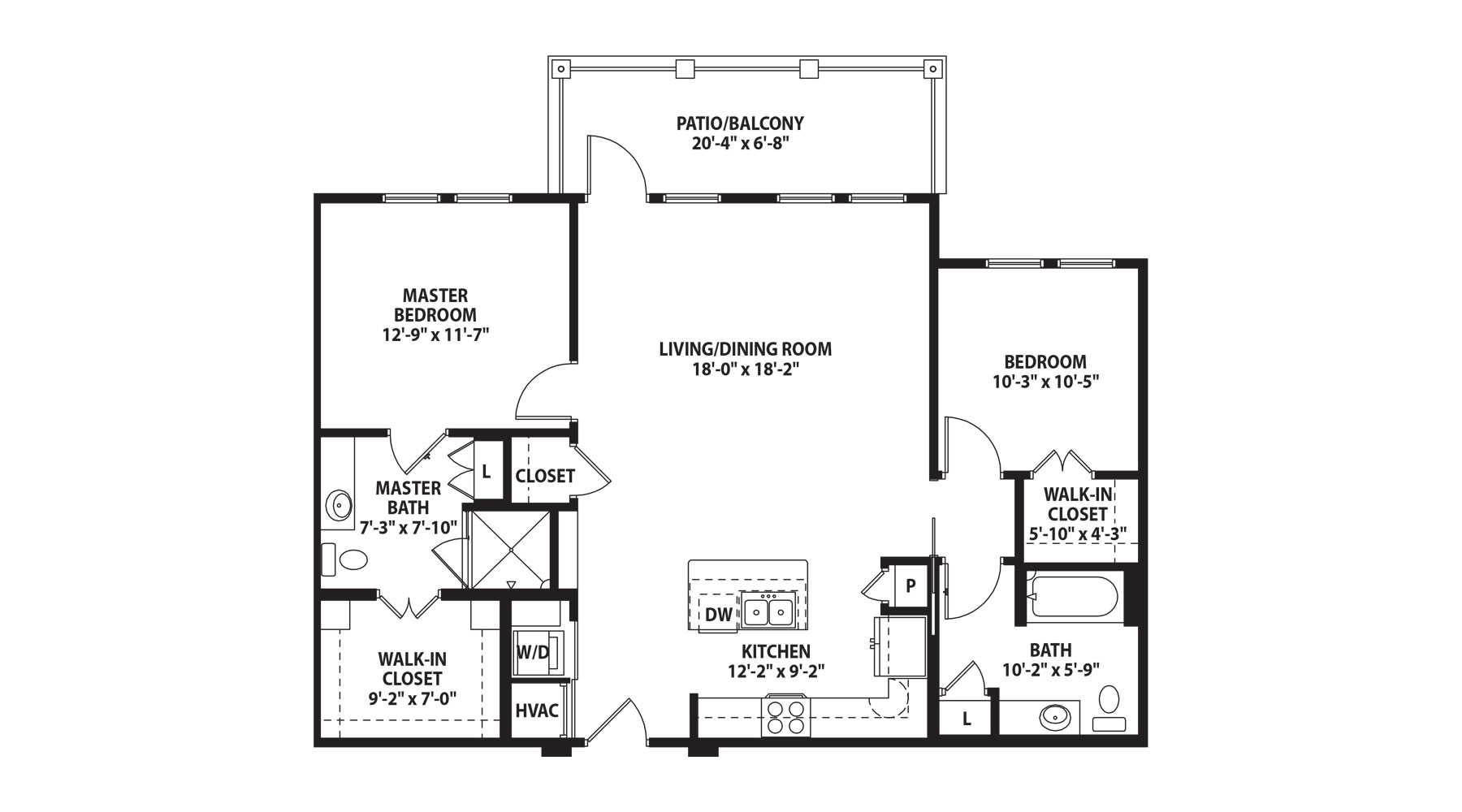
A standard 3-bedroom bungalow includes:
- Living room
- Three bedrooms
- Kitchen
- Dining area
- Bathrooms and toilets
- Passage or lobby
- Optional store
The goal is to create balance. Every space must have a purpose. No space should be wasted.
Modern design focuses on:
- Simplicity
- Function
- Comfort
- Easy maintenance
Once we understand this, the design becomes clear.
Ideal Land Size and Building Position
Now we move to land planning, which affects everything.
Suitable Plot Sizes
A 3-bedroom bungalow works well on:
- 450 sqm
- 500 sqm
- 600 sqm
With this, we can include:
- Parking space
- Walkways
- Small outdoor space
Building Position
We do not place the house in the center without a plan.
We consider:
- Front space for parking
- Back space for kitchen use
- Side space for airflow
Proper positioning improves comfort and future expansion.
Choosing the Right Building Shape
The shape of the building affects cost, structure, and roofing.
Simple Rectangular Shape
We always prefer a rectangular layout.
- Easier to construct
- Lower cost
- Easier roofing
L-Shaped Option
If space allows, we can use an L-shape.
- Creates private sections
- Improves airflow
But we must be careful. Complex shapes increase cost, so we only use them when necessary.
Living Room Design and Flow
We now move inside the house, starting with the living room.
Front Placement
We place the living room at the front.
- Easy access for visitors
- Keeps private areas hidden
Size Planning
We keep it balanced.
- Enough for seating
- Enough for movement
We avoid making it too large, because it reduces space for other rooms.
Connection to Other Areas
The living room should connect to:
- Dining area
- Passage to bedrooms
This improves flow.
Dining Area Integration
After the living room, we plan the dining space.
Open Plan Dining
We often combine dining with the living room.
- Saves space
- Reduces building cost
Semi-Separate Dining
We can also create a small defined dining area.
- Better organization
- Clear function
We choose based on available space.
Kitchen Design with Modern Features
The kitchen is one of the most important spaces in the house.
Positioning
We place the kitchen at the back.
- Keeps heat away
- Allows easy access to backyard
Layout
We design for function:
- Cooking area
- Storage area
- Movement space
Modern Features
We include:
- Kitchen cabinets
- Sink placement near window
- Space for appliances
Ventilation
We ensure:
- Windows
- Back door
This improves airflow and reduces heat.
Master Bedroom Design
Now we move to the bedrooms, starting with the master bedroom.
Size and Space
The master bedroom should be the largest.
- Space for bed
- Space for wardrobe
- Movement space
Private Bathroom
Modern design includes a private bathroom.
- Improves comfort
- Adds value
Privacy
We place it away from public areas.
Other Bedrooms Design
Next, we design the remaining two bedrooms.
Standard Size
They should:
- Fit basic furniture
- Allow movement
Shared Bathroom Access
These rooms usually share a bathroom.
Ventilation
Each room must have:
- Windows
- Natural light
We avoid dark rooms.
Bathroom and Toilet Planning
This is a key part of the design.
General Bathroom
We include one general bathroom.
- Easy access for guests and occupants
Separate Toilet Option
We can separate toilet and bath.
- Allows multiple use at once
Placement
We place bathrooms close to bedrooms.
- Reduces plumbing cost
- Improves access
Passage and Movement Design
Movement inside the house must be simple.
Short Passage
We keep passage short.
- Saves space
- Reduces cost
Clear Access
Each room should be easy to reach.
We avoid complicated layouts.
Ventilation and Natural Lighting
Now we focus on comfort.
Cross Ventilation
We place windows opposite each other.
- Air flows easily
- Reduces heat
Natural Lighting
We allow sunlight into:
- Living room
- Bedrooms
- Kitchen
This reduces electricity use.
Roofing Design and Structure
Roofing is a major cost, so we plan it carefully.
Simple Roof Type
We use:
- Gable roof
- Hip roof (if budget allows)
Moderate Height
We avoid very high roofs.
- Saves cost
- Controls heat
Drainage
We ensure proper water flow.
Exterior Design and Finishing
The outside look matters, but we keep it simple.
Wall Finishing
- Smooth plaster
- Simple paint
Front Design
We can include:
- Small porch
- Pillars
We avoid complex decorations.
Interior Finishing Ideas
Inside the house, we focus on function.
Floor Finishing
- Tiles for durability
- Cement finish for lower cost
Ceiling Design
- Simple POP ceiling
- Or plain ceiling
Paint
We use simple colors.
Electrical and Plumbing Layout
Planning here saves money and prevents future issues.
Electrical
- Place sockets where needed
- Avoid excess wiring
Plumbing
- Group water areas together
- Reduce pipe length
This improves efficiency.
Compound Layout Planning
Beyond the building, the compound matters.
Parking Space
We plan for at least one or two cars.
Walkways
We create clear movement paths.
Drainage
We ensure water flows out properly.
Space for Future Expansion
We must always think ahead.
Leave Extra Space
We can add:
- Another room
- Outdoor kitchen
- Boys’ quarters
Structural Strength
We design the structure to support future changes.
Cost Control Strategy
We manage cost at every stage.
Planning Stage
- Clear design
- Budget control
Building Stage
- Buy materials in phases
- Monitor work
Finishing Stage
- Focus on essentials
- Upgrade later
Common Mistakes to Avoid
We must avoid these errors.
Poor Layout
Leads to wasted space.
Oversized Rooms
Increases cost.
Bad Ventilation
Causes discomfort.
Wrong Material Choice
Leads to higher cost and maintenance.
Conclusion
A 3-bedroom bungalow can be simple, functional, and comfortable when we design it properly.
We do not need complex structures or expensive features. What we need is good planning, proper layout, and smart decisions.
When we focus on function, control cost, and plan for the future, we can build a house that serves us well for many years.