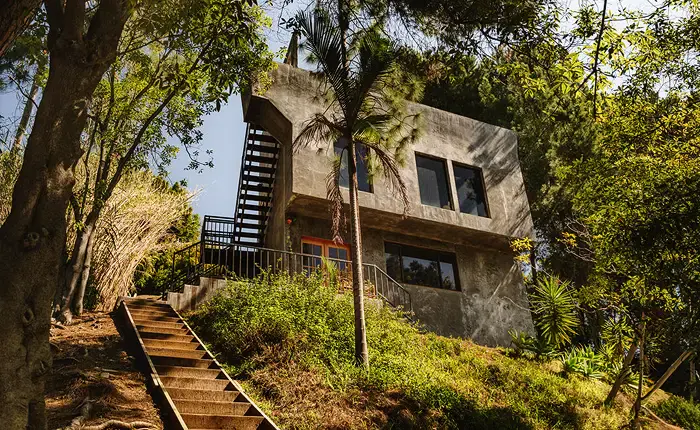
Building a house is one of the biggest investments we make. Every mistake can cost us money, comfort, and long-term durability. Many people focus on aesthetics or budget alone and ignore practical design issues.
In Nigeria, certain mistakes are common because of climate, materials, and construction culture. By understanding them, we can avoid wasting money and effort.
In this guide, we will go into all the mistakes that can occur in house design, from structure to interior, and explain how to prevent them.
Ignoring Proper Site and Land Assessment
Many people start designing without fully analyzing their land. This leads to problems later.
Mistakes
- Not checking soil quality
- Ignoring slope and drainage
- Building too close to boundaries
Consequences
- Foundation failure
- Water pooling and flooding
- Limited expansion
What We Should Do
- Conduct soil tests
- Leave proper setbacks
- Plan drainage based on slope
A proper assessment saves money and protects the house.
Weak Foundation Design
The foundation is the most important part of a house. A weak foundation leads to cracks, uneven floors, and even collapse.
Mistakes
- Using shallow foundation in weak soil
- Skipping reinforced concrete columns
- Using low-quality concrete mix
Consequences
- Structural cracks
- Uneven walls and floors
- High repair cost
How to Avoid
- Test soil before building
- Use proper reinforced foundation
- Follow engineering standards
No matter how beautiful the house is, a weak foundation ruins everything.
Poor Layout and Space Planning
Layout mistakes affect comfort and daily life.
Mistakes
- Placing bedrooms too close to noisy areas
- Long narrow hallways that waste space
- Poor positioning of stairs
Consequences
- Uncomfortable movement
- Poor ventilation
- Wasted space
What We Should Do
- Separate public and private spaces
- Place stairs in central or convenient locations
- Plan rooms with movement and airflow in mind
Good layout makes a house feel bigger and more comfortable.
Ignoring Ventilation and Airflow
Heat and humidity are big issues in Nigeria. Houses without proper ventilation become uncomfortable.
Mistakes
- Small windows or no cross-ventilation
- Blocking airflow with walls or fences
- Ignoring roof ventilation
Consequences
- Hot rooms
- Poor air quality
- High electricity cost due to fans and AC
How to Avoid
- Place windows on opposite walls for cross ventilation
- Include vents in roof or ceiling
- Avoid over-closed compounds
Airflow is as important as structure for comfort.
Poor Roofing Design
Roofing mistakes are very costly. Many people underestimate roofing problems until it rains.
Mistakes
- Using cheap sheets without proper support
- Flat roofs in heavy rain areas
- Roof overhang too short to protect walls
Consequences
- Roof leaks
- Damage to walls and ceilings
- Frequent repairs
How to Avoid
- Choose simple but strong roof design (gable or hip roof)
- Use durable materials
- Include proper overhang and drainage
Roofing is not the place to cut corners.
Bad Drainage Planning
Water is one of the biggest enemies of a house in Nigeria. Poor drainage causes major damage.
Mistakes
- No slope in the compound
- Ignoring gutter installation
- No channeling away from building
Consequences
- Water stagnation
- Wall erosion
- Foundation weakening
How to Avoid
- Create compound slope away from house
- Install gutters and downpipes
- Plan channels to direct water
Proper drainage saves money and protects the house.
Ignoring Natural Lighting
Natural lighting improves comfort and reduces electricity bills.
Mistakes
- Small windows
- Using heavy curtains or blocking light
- Poor orientation of building
Consequences
- Dark interiors
- Higher energy use
- Unpleasant living environment
How to Avoid
- Plan windows for maximum light
- Use reflective surfaces
- Avoid obstructing sunlight
Light is cheap but adds value to the house.
Using Low-Quality Materials
Materials determine durability. Using cheap materials creates long-term problems.
Mistakes
- Sandcrete blocks of poor quality
- Weak timber or steel
- Cheap roofing sheets
Consequences
- Cracks in walls
- Roof sagging or rusting
- Frequent repairs
How to Avoid
- Buy reputable materials
- Check quality before use
- Treat wood against termites
Invest in quality at the start to save cost later.
Overcomplicating Interior Design
Interior mistakes waste space and increase cost.
Mistakes
- Overly complex ceiling designs
- Too many decorative walls or partitions
- Oversized furniture
Consequences
- Rooms feel smaller
- Difficult movement
- High maintenance cost
How to Avoid
- Keep interiors simple and functional
- Use built-in storage to save space
- Focus on movement and comfort
Function comes first; decoration comes second.
Improper Compound Planning
Even if the building is good, a poorly planned compound creates issues.
Mistakes
- No walkways or paths
- Overcrowding with buildings
- No parking space
Consequences
- Difficult movement
- Flooding in compound
- Safety issues
How to Avoid
- Plan walkways and parking
- Leave open spaces
- Include drainage and lighting
The compound is part of the house, not extra space.
Ignoring Future Expansion
Many people plan for today only. This limits the house’s usefulness.
Mistakes
- Using the entire plot
- Building without leaving space for extension
- Ignoring load-bearing capacity
Consequences
- Cannot add extra rooms
- Expensive modifications
- Reduced property value
How to Avoid
- Leave space for future buildings
- Use structural design that supports extra floors
- Build gradually if needed
Planning for the future protects our investment.
Poor Electrical and Plumbing Planning
Electrical and plumbing mistakes are costly.
Mistakes
- Not enough sockets or light points
- Long plumbing lines
- Poor water system planning
Consequences
- Extra wiring or piping later
- High repair cost
- Poor tenant satisfaction if rented
How to Avoid
- Plan electrical and plumbing from the start
- Group water areas to reduce pipe length
- Include space for future expansion
Good planning reduces problems later.
Ignoring Security Needs
Security mistakes affect safety and property value.
Mistakes
- Weak gate or fence
- No outdoor lighting
- Poor lock systems
Consequences
- Theft or break-ins
- Reduced property appeal
- Stress for occupants
How to Avoid
- Install strong fence and gate
- Add outdoor lighting
- Ensure doors and windows are secure
Safety is non-negotiable.
Poor Kitchen and Bathroom Layout
These areas are used daily, so mistakes affect comfort.
Mistakes
- Kitchen too small or inaccessible
- Bathroom without proper ventilation
- Plumbing too far from main water source
Consequences
- Difficult cooking or cleaning
- Water retention and odor
- High maintenance cost
How to Avoid
- Place kitchen at back with easy access
- Ventilate bathrooms properly
- Group plumbing to reduce cost
Functional kitchens and bathrooms improve daily life.
Bad Roof and Ceiling Height
Improper height makes the house uncomfortable.
Mistakes
- Low ceiling in living areas
- Roof too close to interior
Consequences
- House feels cramped
- Heat builds up
- Difficult to install fans or AC
How to Avoid
- Maintain standard ceiling height (about 3 meters for living area)
- Ensure proper roof structure above
Comfort depends on height as well as layout.
Ignoring Landscaping
A neglected outdoor area reduces property value.
Mistakes
- No garden or open space
- Poor drainage and walkways
- No proper planting
Consequences
- Flooding
- Reduced comfort
- Unpleasant environment
How to Avoid
- Leave space for greenery
- Plan walkways
- Maintain compound
Landscaping improves both comfort and value.
Skipping Professional Guidance
Some people try to build without experts.
Mistakes
- Designing without architect input
- Not hiring qualified engineer
- Relying on unskilled labor
Consequences
- Structural errors
- Non-compliance with regulations
- Higher long-term cost
How to Avoid
- Consult architect or engineer
- Use experienced contractors
- Supervise construction
Professional input prevents costly mistakes.
Common Costly Oversights
Mistakes
- Changing design mid-construction
- Not measuring properly before cutting materials
- Ignoring local climate factors
Consequences
- Material waste
- Increased labor cost
- House underperforms
How to Avoid
- Stick to plan
- Measure carefully
- Consider climate in all design decisions
Planning is cheaper than fixing mistakes.
Conclusion
House design mistakes are common, but most are avoidable.
We must focus on:
- Proper land and soil assessment
- Strong foundation
- Efficient layout and ventilation
- Durable materials and roofing
- Functional interior and compound
- Planning for future expansion
- Security and comfort
By avoiding these mistakes, we build houses that are durable, comfortable, and valuable. Every step counts. Cutting corners in design or construction leads to higher costs and stress later.