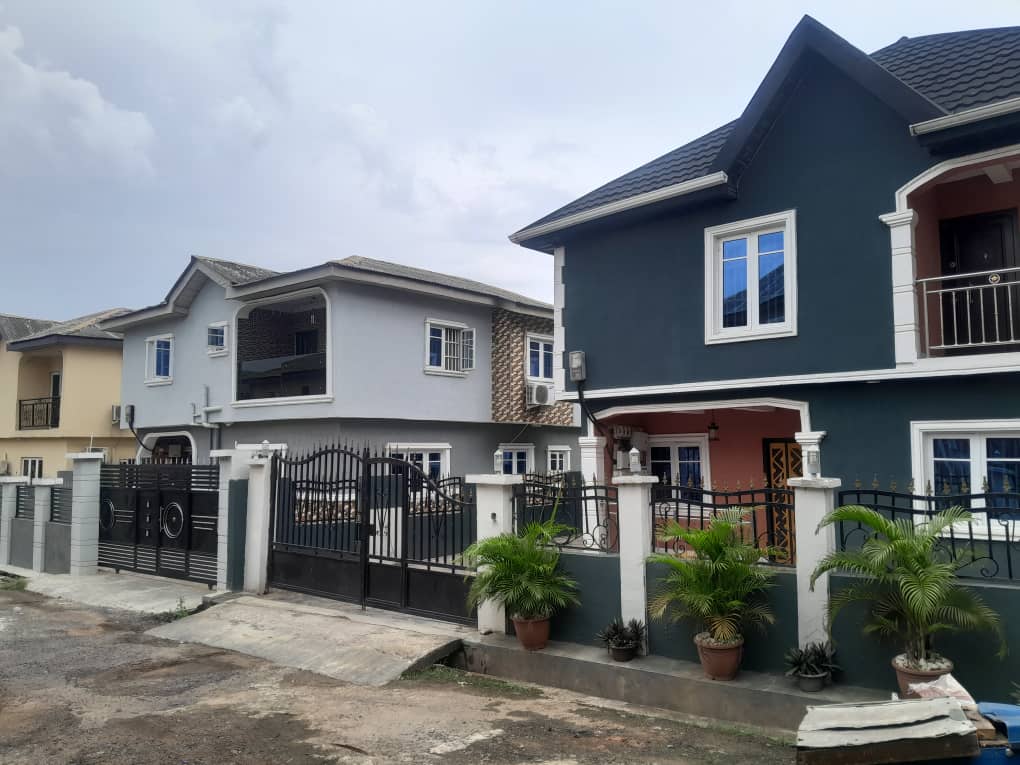
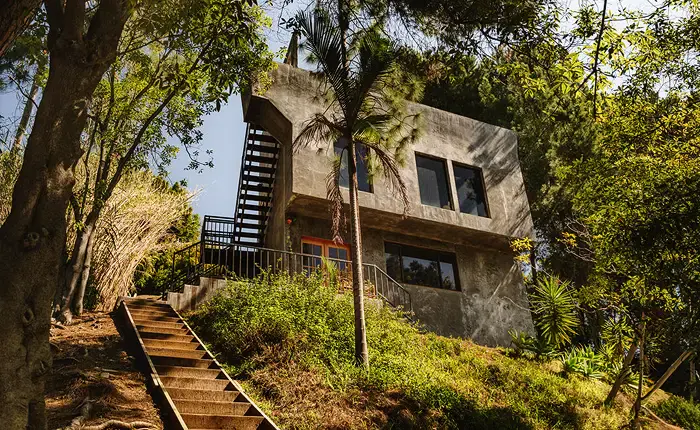
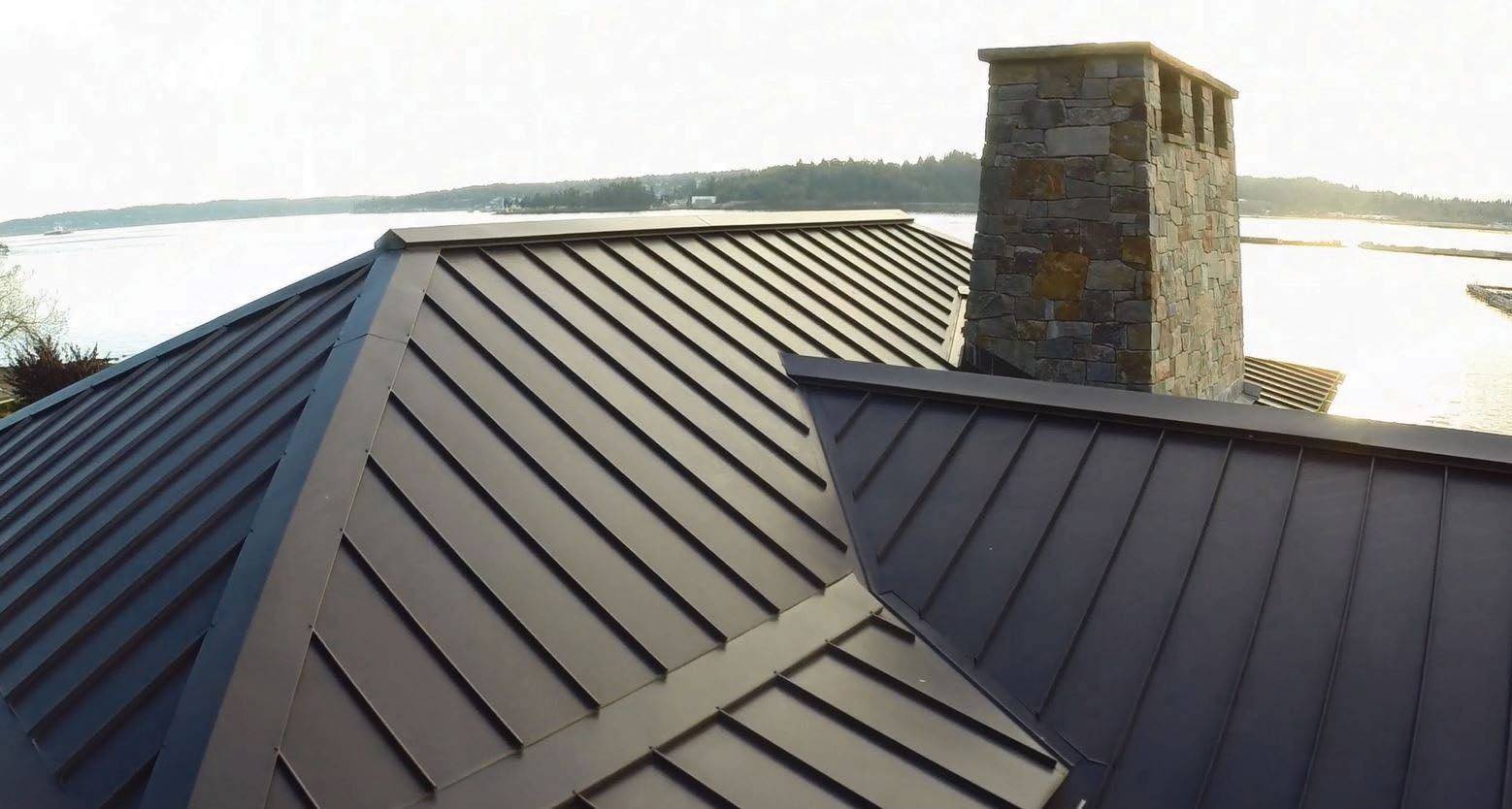
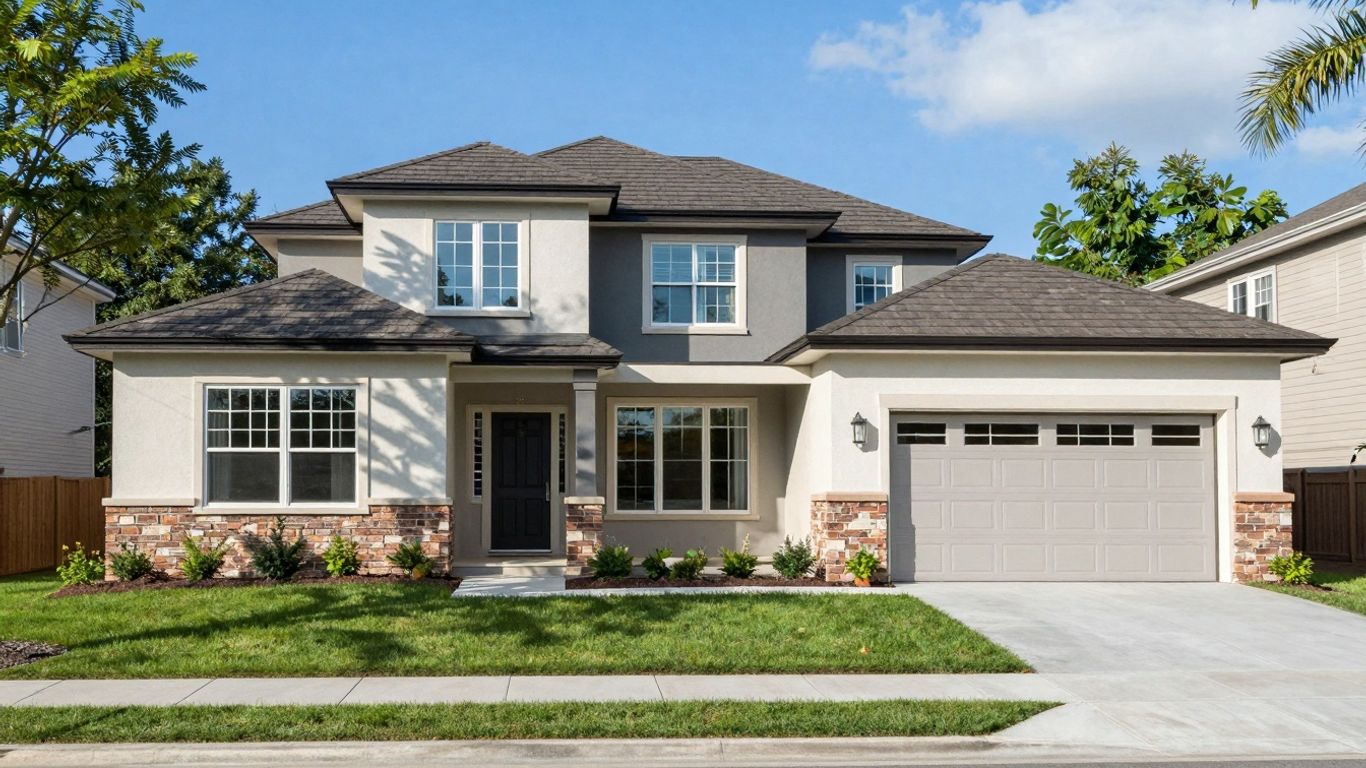
When we plan a rental house, our goal is different from a personal house. We are not building based on personal taste. We are building to attract tenants, reduce cost, and generate steady income.
A good rental house design helps us:
- Maximize the number of units
- Reduce construction cost
- Attract tenants quickly
- Reduce maintenance issues
If the design is wrong, we lose money. If the design is right, the building pays us for many years.
So in this guide, we will break down practical rental house design ideas that work.
Understanding Rental Property Design
Before we start, we must understand one key thing.
Rental design is about efficiency.
We focus on:
- Number of units
- Space management
- Ease of maintenance
- Tenant comfort
We do not waste space. Every part of the building must generate value.
Choosing the Right Rental Type
Now we decide what type of rental building we want.
Self-Contained Apartments
Each unit has:
- Bedroom
- Kitchen
- Bathroom
This is very popular and easy to rent.
Room and Parlour
This includes:
- Living room
- Bedroom
- Kitchen
- Bathroom
It attracts small families and couples.
Single Rooms (Face-me-I-face-you)
This includes:
- Single rooms
- Shared kitchen and bathroom
It is cheaper to build and suits low-income tenants.
Mini Flats
This is a more structured version of room and parlour.
- Better layout
- More privacy
We choose based on our target tenants.
Land Size and Unit Planning
The land size determines how many units we can build.
Standard Plot Usage
On a 450–500 sqm plot, we can build:
- 4 to 6 mini flats
- 6 to 8 self-contained units
- More single rooms if designed well
Building Arrangement
We plan:
- Proper spacing between units
- Walkways
- Drainage
We must not overcrowd the land. Overcrowding reduces comfort and can affect approval.
Building Layout Strategy
Now we move into layout planning.
Maximize Space
We arrange units in:
- Straight rows
- Back-to-back layout
This reduces wasted space.
Easy Access
Each unit must be easy to access.
- Clear walkways
- No confusing paths
Privacy
Even in rental design, tenants value privacy.
We avoid placing doors directly facing each other where possible.
Unit Design for Self-Contained Apartments
Let us start with one of the most common rental types.
Basic Layout
Each unit includes:
- Small bedroom
- Kitchen space
- Bathroom
Space Planning
We keep spaces compact but usable.
- Enough for bed
- Small cooking area
- Proper bathroom
Ventilation
Each unit must have:
- At least one window
- Airflow
This improves comfort.
Room and Parlour Design
This type attracts more stable tenants.
Layout
- Living room at entrance
- Bedroom inside
- Kitchen at back
- Bathroom close to bedroom
Space Balance
We keep:
- Moderate living room
- Functional bedroom
We avoid making one space too large.
Single Room Rental Design
This is the simplest and cheapest to build.
Structure
- Rooms arranged in rows
- Shared toilet and kitchen
Key Considerations
- Strong walls
- Good roofing
- Proper drainage
Tenant Needs
Even with low cost, we must provide:
- Water supply
- Clean environment
This keeps tenants longer.
Kitchen Design for Rental Units
Kitchens must be simple and durable.
Compact Design
We provide:
- Small cooking area
- Space for stove
Materials
We use:
- Tiles on walls
- Strong surfaces
This reduces damage.
Bathroom and Toilet Design
Bathrooms must be easy to maintain.
Simple Layout
We include:
- Toilet
- Shower
- Drain
Water Flow
We ensure proper drainage.
- Avoid water retention
- Prevent bad smell
Durable Materials
We use tiles to reduce maintenance.
Ventilation and Lighting
This affects tenant comfort.
Windows
Each unit must have windows.
- Improves airflow
- Reduces heat
Natural Light
We allow sunlight in.
Outdoor Lighting
We install:
- Security lights
- Walkway lights
Roofing Design for Rental Buildings
Roofing must be simple and strong.
Recommended Roof Types
- Gable roof
- Long span roofing
Cost Control
We avoid complex designs.
Durability
We choose materials that last longer to reduce repairs.
Electrical Layout for Rental Units
We must plan electricity carefully.
Basic Setup
Each unit should have:
- Light points
- Socket outlets
Metering
We can choose:
- Prepaid meter per unit
- Shared meter (not ideal)
Separate meters are better for management.
Plumbing and Water Supply
Water is very important in rental property.
Water Source
We provide:
- Borehole
- Water tank
Pipe Layout
We group water areas.
- Reduces pipe length
- Easier maintenance
Compound Layout Design
The compound must be organized.
Walkways
We create clear movement paths.
Drainage
We ensure water flows out.
Waste Area
We provide space for refuse disposal.
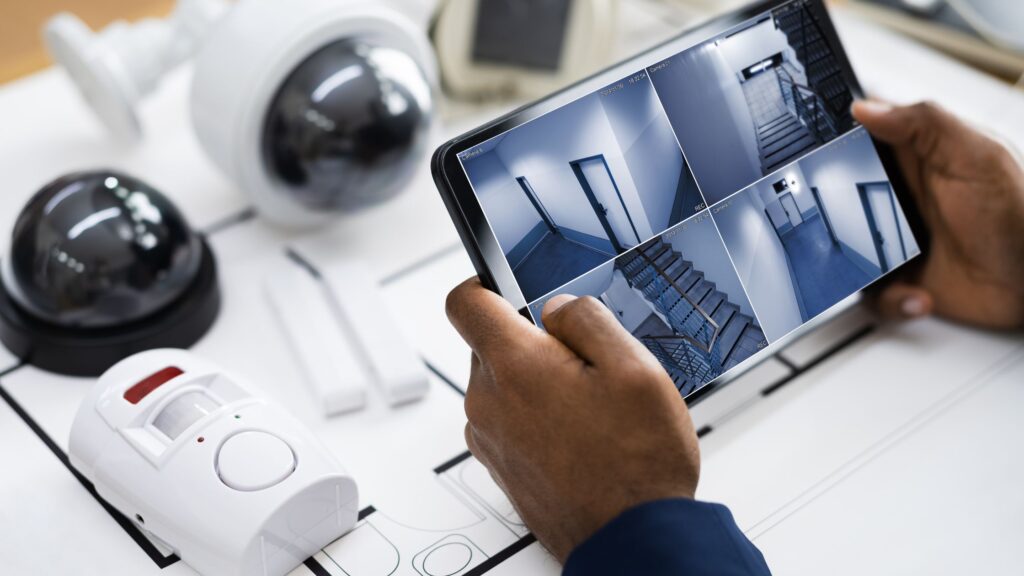
Security Features
Tenants value safety.
Basic Security
We include:
- Fence
- Gate
- Strong doors
Lighting
Outdoor lighting improves safety.
Maintenance Planning
A rental house must be easy to maintain.
Material Choice
We use:
- Tiles
- Strong paint
- Durable fittings
Simple Design
Complex designs increase repair cost.
Cost vs Return Strategy
Now we think like investors.
Build Based on Demand
We choose unit type based on what tenants want.
Control Cost
We avoid unnecessary features.
Maximize Units
More units = more income, but we balance with comfort.
Common Mistakes to Avoid
We must avoid these errors.
Overcrowding
Too many units reduce comfort and value.
Poor Ventilation
Tenants will not stay long.
Weak Materials
Leads to constant repairs.
Bad Layout
Makes units unattractive.
Long-Term Income Planning
We do not just build for today.
Rent Value
We design to attract steady rent.
Low Maintenance
This increases profit over time.
Future Upgrade
We can improve the building later to increase rent.
Conclusion
Rental house design is about strategy. We must think about tenants, cost, and long-term income at the same time.
When we design well, we attract tenants easily, reduce maintenance, and earn steady income.
If we focus on simple layout, good ventilation, durable materials, and proper planning, our rental building will serve us well for many years.