When we design houses in Nigeria, we must consider climate, cost, materials, and lifestyle. A design that looks good but does not work with our weather or daily needs will create problems.
Over time, certain house design trends have proven to work well. These designs are not just popular, they are practical, durable, and cost-effective.
So in this guide, we will break down Nigerian house design trends that truly work and why they continue to be used.
Why Local Design Matters
Before we go into specific trends, we must understand why local design is important.
Nigeria has:
- High temperature
- Heavy rainfall in many areas
- Dust in some regions
- Power supply challenges
Because of this, house design must:
- Control heat
- Handle rainwater
- Allow airflow
- Be easy to maintain
When we design based on these factors, the house performs better.
Bungalow Design Trend
One of the most common and reliable designs is the bungalow.
Why It Works
- Easy to build
- Lower cost compared to duplex
- Easy to maintain
- Suitable for all age groups
Common Features
- Simple layout
- Moderate roof height
- Easy movement inside
Bungalows remain popular because they are practical.
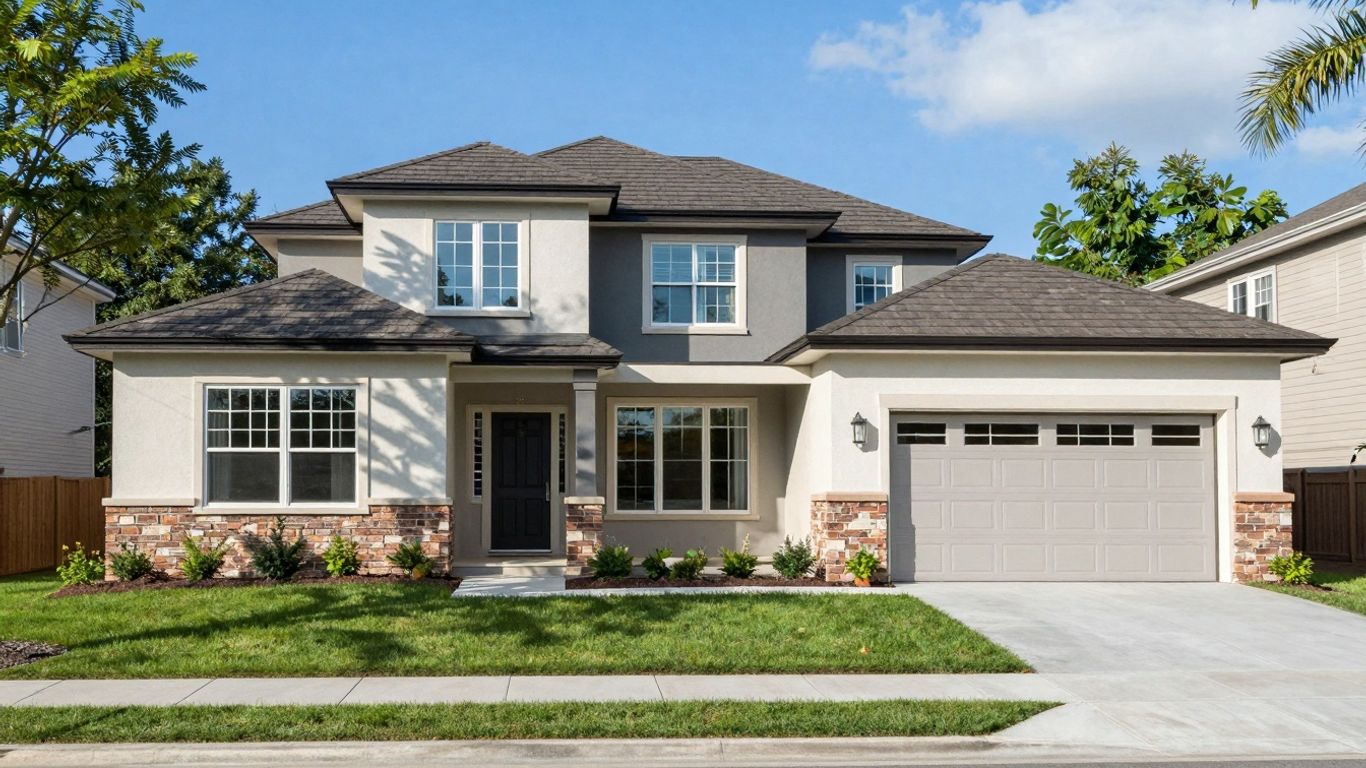
Duplex Design Trend
Duplex houses are also common, especially in urban areas.
Why It Works
- Maximizes land use
- Provides more rooms
- Separates public and private spaces
Common Features
- Living areas downstairs
- Bedrooms upstairs
- Balcony design
This design suits families that want more space.
Use of Concrete and Block Construction
In Nigeria, most houses are built with blocks and concrete.
Why It Works
- Strong and durable
- Handles weather conditions well
- Materials are widely available
Common Practice
- Sandcrete blocks
- Reinforced concrete columns
This method is reliable and well understood by workers.
Roofing Design Trends
Roofing plays a major role in Nigerian house design.
Popular Roof Types
- Gable roof
- Hip roof
Why They Work
- Allow water to flow easily
- Handle heavy rain
- Provide shade
Roofing Materials
- Aluminum sheets
- Stone-coated sheets
These are chosen based on budget and durability.
High Fence and Gate Design
Security is a major concern, so fencing is part of design.
Common Features
- High block fence
- Strong metal gate
Why It Works
- Improves security
- Provides privacy
Fence design is always included from the start.
Compound Layout Design Trend
The compound is an important part of Nigerian homes.
Common Features
- Parking space
- Walkways
- Drainage system
Why It Works
- Supports daily movement
- Prevents flooding
- Organizes the space
A well-planned compound improves the whole property.
Cross Ventilation Design
Because of heat, ventilation is very important.
How It Is Done
- Windows on opposite walls
- Open spaces around building
Why It Works
- Reduces heat
- Improves comfort
- Reduces need for fans
This is a key feature in most good designs.
Veranda and Porch Design
Many Nigerian houses include a front veranda.
Purpose
- Sitting area
- Shade
- Transition space
Why It Works
- Reduces heat entering the house
- Provides outdoor space
It is simple but very useful.
Water and Drainage Planning
Due to rainfall, water management is critical.
Common Features
- Gutters
- Drain channels
- Sloped ground
Why It Works
- Prevents flooding
- Protects building
Poor drainage is one of the biggest problems we avoid.
Kitchen Placement Trend
Kitchen placement follows a clear pattern.
Common Position
- At the back of the house
Why It Works
- Keeps heat away
- Allows easy outdoor access
This trend is consistent across many designs.
Use of Tiles and Simple Finishes
Interior finishing in Nigeria follows practical trends.
Common Materials
- Floor tiles
- Wall tiles (especially kitchen and bathroom)
Why It Works
- Easy to clean
- Durable
- Water-resistant
We focus more on function than decoration.
Flat Ceiling with POP Design
Ceiling design is also important.
Common Trend
- POP ceiling
- Simple flat ceiling
Why It Works
- Improves appearance
- Helps reduce heat
We avoid overly complex designs.
Rental Apartment Design Trend
Rental properties follow a specific pattern.
Common Types
- Self-contained units
- Mini flats
Why It Works
- High demand
- Easy to rent
- Good return on investment
Design is focused on maximizing units.
Use of Borehole and Water Storage
Water supply is not always stable, so design includes water systems.
Common Features
- Borehole
- Water tank
Why It Works
- Ensures constant water supply
- Supports daily use
This is almost standard in modern houses.
Security Lighting and Electrical Design
Electricity may not always be stable, so design must adapt.
Common Features
- Outdoor lighting
- Provision for generator or solar
Why It Works
- Improves security
- Ensures power availability
Planning for power is part of design.
Space for Future Expansion
Many Nigerian houses are built in stages.
Common Practice
- Leave space for extension
- Build gradually
Why It Works
- Reduces financial pressure
- Allows growth over time
This is a practical approach.
Common Mistakes to Avoid
Even with trends, mistakes still happen.
Ignoring Ventilation
Leads to heat problems.
Poor Drainage
Causes flooding.
Overdesign
Increases cost without value.
Using Low-Quality Materials
Leads to frequent repairs.
Practical Design Example
Let us bring everything together.
Sample Setup
- 3-bedroom bungalow
- Gable roof
- Cross ventilation
- Front veranda
- Proper drainage
- Fence and gate
- Borehole and water tank
This setup reflects what works in Nigeria.
Conclusion
Nigerian house design trends are built on experience and real-life needs. They are not just popular, they are practical and reliable.
When we follow these trends and adjust based on our budget and land, we can build houses that are comfortable, durable, and easy to maintain.
We must always design with our environment in mind. That is what makes a house truly work.