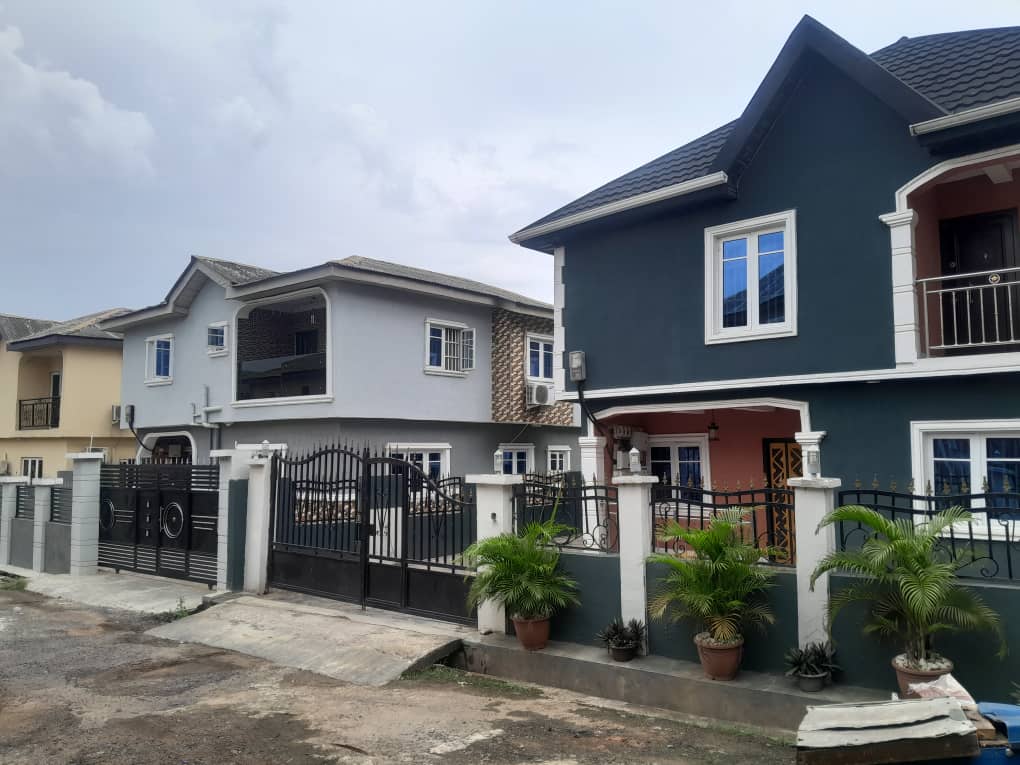
When we decide to build a duplex, we are planning for more space, better privacy, and long-term use. A duplex gives us the advantage of two floors, which means we can separate activities and manage space better.
For families, this type of house works very well. It allows us to keep public areas like the living room downstairs, while private areas like bedrooms stay upstairs.
But we must be clear. A duplex is not just about building up. It requires proper planning, strong structure, and a clear layout. If we get the design wrong, we will waste space and increase cost.
So in this guide, we will break down duplex house design ideas for families in a clear and practical way.
What a Duplex House Means
Before we go into design, we need to understand what a duplex is.
A duplex is a house built on two floors within one building. It can be:
- A single-family duplex (one household)
- A two-family duplex (separate units)
In this guide, we focus on a single-family duplex.
This type of house allows us to:
- Separate public and private spaces
- Use land more efficiently
- Create more rooms without using more land
Once we understand this, we can design better.
Land Size and Site Planning
Now we move to land, because it affects everything.
Suitable Plot Size
A duplex works best on:
- 450 sqm
- 500 sqm
- 600 sqm and above
Even on a smaller plot, we can still build, but we must plan well.
Building Position
We consider:
- Front space for parking
- Side space for ventilation
- Back space for kitchen and service area
We do not build too close to the fence. Space improves airflow and comfort.
Structural Planning and Foundation
Before design, we must think about structure.
A duplex is heavier than a bungalow, so the foundation must be strong.
Soil Testing
We must understand the soil.
- Strong soil reduces foundation cost
- Weak soil requires more reinforcement
Strong Foundation
We use:
- Proper footing
- Reinforced columns
- Strong concrete mix
We do not cut corners here. Structure is not where we save money.
Ground Floor Layout Design
Now we move into the actual design, starting with the ground floor.
The ground floor is the public area of the house.
Spaces on Ground Floor
We include:
- Living room
- Guest room (optional but useful)
- Dining area
- Kitchen
- Visitor toilet
- Staircase
Living Room Placement
We place it at the front.
- Easy access
- Good for visitors
Guest Room
This is important for families.
- Located on ground floor
- Includes bathroom if possible
Dining Area
We can design it as:
- Open with living room
- Or slightly separated
Kitchen Placement
We place it at the back.
- Keeps heat away
- Allows access to backyard
Staircase Design and Position
The staircase connects both floors, so it must be placed well.
Central Position
We place the staircase in a central location.
- Easy access from all areas
- Good movement flow
Types of Staircase
We can use:
- Straight staircase
- L-shaped staircase
We avoid complex designs to reduce cost.
Safety
We ensure:
- Proper step height
- Strong handrails
- Enough lighting
First Floor Layout Design
Now we move upstairs, which is the private area.
Spaces on First Floor
We include:
- Master bedroom
- Other bedrooms
- Family lounge
- Balcony (optional)
Family Lounge
This is a key feature.
- Used for relaxation
- Keeps private life upstairs
Bedroom Arrangement
We place bedrooms around the lounge.
- Easy access
- Good organization
Master Bedroom Design
The master bedroom should stand out.
Size and Space
It should be the largest room.
- Space for bed
- Wardrobe area
- Movement space
Private Bathroom
We include:
- Toilet
- Shower
- Sink
Balcony Option
If space allows, we add a balcony.
- Improves comfort
- Adds value
Other Bedrooms Design
Now we design the remaining bedrooms.
Standard Size
They should:
- Fit basic furniture
- Allow movement
Bathroom Options
We can choose:
- Each room has its own bathroom
- Or shared bathroom
Ventilation
Each room must have windows.
Kitchen Design with Family Needs
The kitchen must serve the whole family.
Layout
We design:
- Cooking area
- Storage area
- Movement space
Modern Features
We include:
- Cabinets
- Worktop space
- Proper sink placement
Extra Space
If possible, we add:
- Store
- Laundry area
Bathroom and Toilet Planning
We must plan bathrooms carefully.
Ground Floor
- Visitor toilet
- Guest room bathroom
First Floor
- Master bathroom
- Other bathrooms
Placement
We group bathrooms to reduce plumbing cost.
Ventilation and Lighting Design
Comfort depends on airflow and light.
Cross Ventilation
We place windows opposite each other.
Natural Lighting
We allow sunlight into:
- Living room
- Bedrooms
- Staircase area
Artificial Lighting
We plan light points properly.
Roofing Design for Duplex
Roofing must match the structure.
Roof Types
We use:
- Hip roof
- Gable roof
Design Simplicity
We avoid complex roof shapes.
- Reduces cost
- Easier to maintain
Exterior Design Ideas
The outside look of a duplex matters a lot.
Front Design
We can include:
- Balcony
- Pillars
- Clean wall lines
Paint
We use simple color combinations.
Windows
We use uniform window design.
Interior Design Approach
Inside the house, we focus on function.
Floor Finishing
- Tiles
- Marble (if budget allows)
Ceiling
- POP ceiling
- Simple design
Space Use
We avoid overcrowding with furniture.
Electrical and Plumbing Layout
Planning here is very important.
Electrical
- Enough sockets
- Proper lighting
Plumbing
- Group water areas
- Reduce pipe length
This reduces cost and future repairs.
Compound Layout Planning
Outside the house, we plan the compound.
Parking
We provide space for cars.
Walkways
We create clear paths.
Drainage
We ensure water flows out properly.
Security Features
For family safety, we include:
- Strong doors
- Good locks
- Outdoor lighting
- Fence and gate
Security must not be ignored.
Space for Future Expansion
Even with a duplex, we plan ahead.
Possible Additions
- Boys’ quarters
- Extra rooms
- Outdoor kitchen
Structural Planning
We design the structure to support future work.
Cost Control Strategy
A duplex can be expensive, so we manage cost.
Planning Stage
- Clear design
- Budget control
Construction Stage
- Buy materials in phases
- Monitor work
Finishing Stage
- Focus on essentials
- Upgrade later
Common Mistakes to Avoid
We must avoid these errors.
Weak Foundation
This is dangerous.
Poor Staircase Design
Leads to discomfort.
Bad Room Arrangement
Reduces usability.
Overdesign
Increases cost without value.
Conclusion
A duplex house gives us space, comfort, and flexibility for family living.
But to achieve this, we must focus on proper planning, strong structure, and simple design.
When we separate public and private spaces, manage cost, and plan for the future, we can build a duplex that serves us well for many years.