Building a house in Nigeria is one of the most significant investments we can make. It is not only about having a place to live but also about creating long-term wealth and security. Many people dream of owning a home, but the question that often comes first is: how much will it actually cost?
The cost of building a house in Nigeria varies widely. It depends on factors like location, house design, building materials, labor, and even the level of finishing we want. Without a clear understanding of the expenses, it is easy to overspend or face delays during construction.
In this article, we explain the real costs involved in building a house in Nigeria. We break down all major expenses, discuss the factors that affect them, and provide guidance on budgeting effectively. This will help us plan wisely and avoid unexpected financial stress.
Why Understanding Costs Is Important
Before starting construction, we must understand the costs involved. This knowledge is essential for several reasons:
- Helps plan a realistic budget: Knowing the expected costs prevents overspending and ensures we have enough funds for each stage of construction.
- Prevents unexpected expenses: Construction often comes with hidden costs, such as additional labor or extra materials. Planning reduces surprises.
- Guides decisions on design and materials: Understanding costs allows us to balance our dream design with what is affordable.
- Reduces stress and delays: When we know the financial requirements, the construction process is smoother and faster.
Building a house without a clear cost plan can lead to incomplete projects, debt, and wasted resources. Awareness of costs sets the foundation for a successful project.
Factors That Affect House Building Costs in Nigeria
Several factors influence the total expenditure when building a house. Being aware of these helps us estimate and manage costs better:
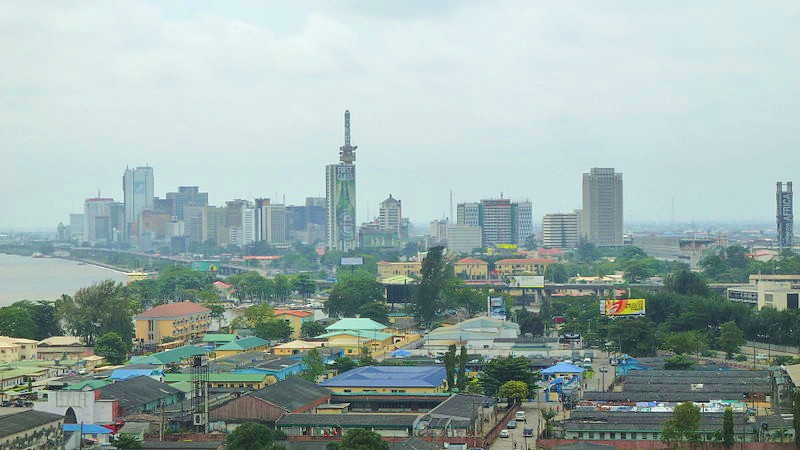
- Location: Building in urban areas like Lagos, Abuja, or Port Harcourt is more expensive than in rural areas due to higher land and labor costs.
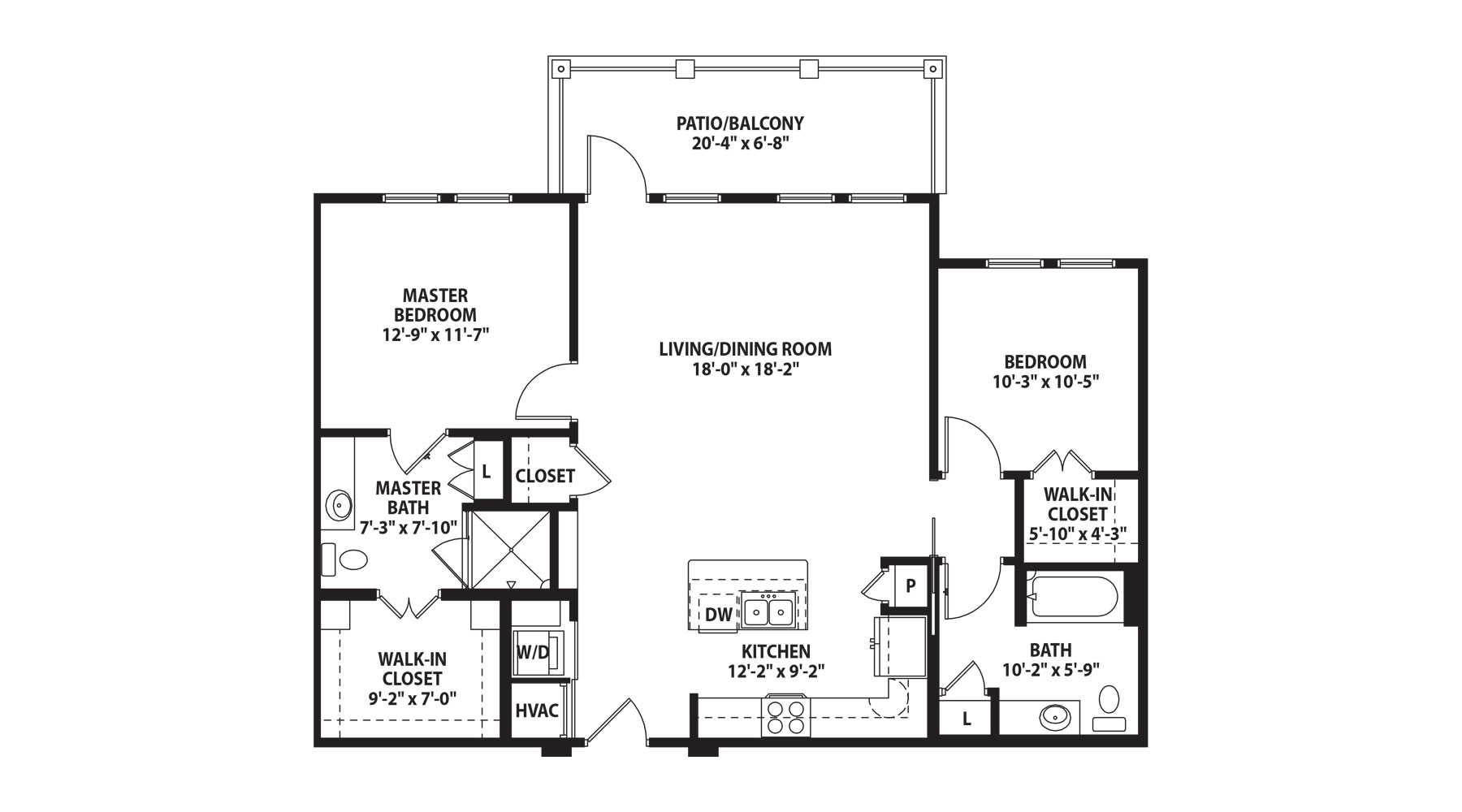
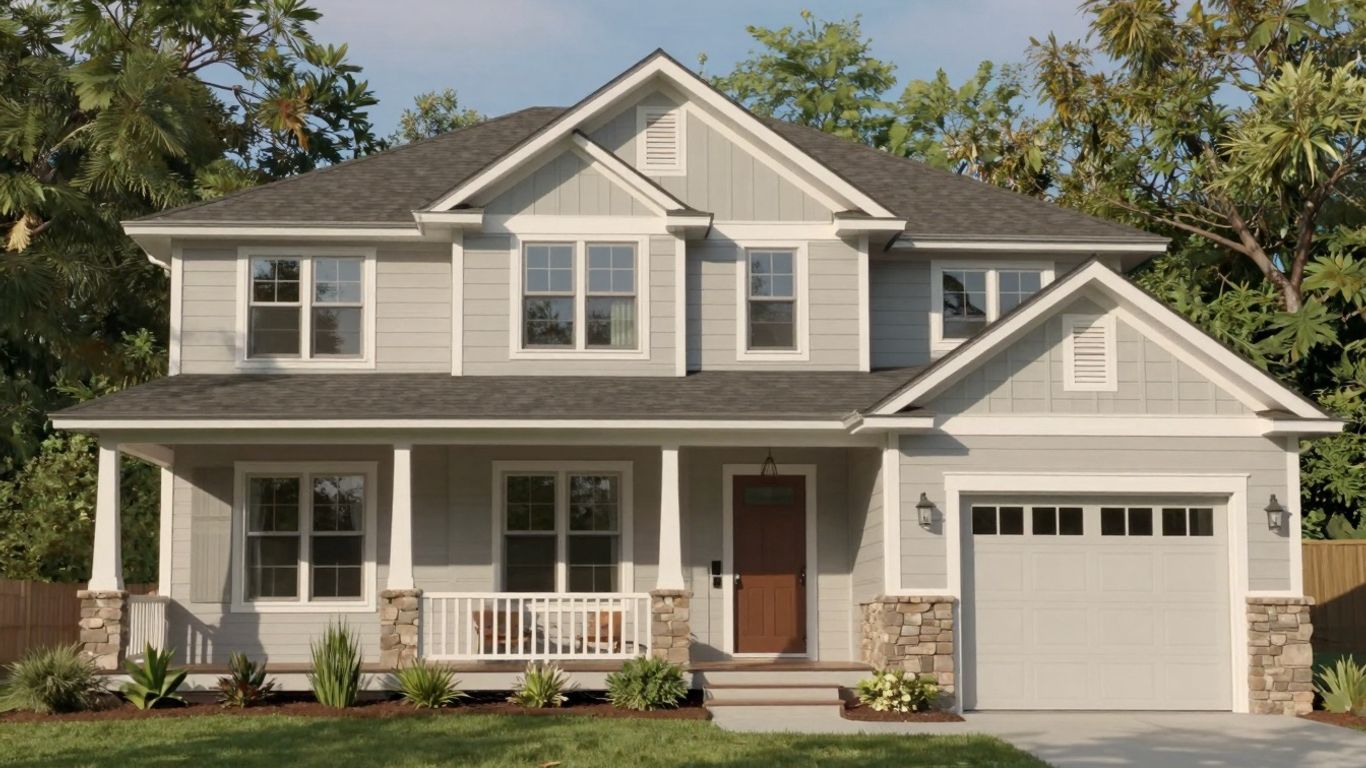
- Size of the house: The number of bedrooms, bathrooms, and floors directly affects cost. A 2-bedroom bungalow costs much less than a 5-bedroom duplex.
- Design complexity: Houses with unique architectural features, multiple floors, or modern finishes cost more to build.
- Building materials: Imported or premium materials increase costs, while locally sourced materials can save money.
- Labor costs: Wages vary by city and experience. Skilled labor is more expensive but ensures better quality work.
- Permits and professional fees: Architect, engineer, surveyor, and government approvals add to expenses.
- Finishing quality: Flooring, cabinets, doors, and paint quality significantly affect the final cost.
Understanding these factors allows us to prioritize spending, choose appropriate materials, and make informed decisions about design and location.
Main Cost Breakdown for Building a House
This is the section that directly explains the key components of construction costs in Nigeria.
1. Land Purchase
Details: The cost of land depends on the location, size, and demand. Prime urban locations are significantly more expensive than rural areas.
Effect on total cost: In some cases, land can make up 20–40% of the total project cost in high-demand areas.
Tips:
- Research the area before buying to avoid inflated prices.
- Check for proper documentation to prevent future legal issues.
2. Architectural and Design Fees
Details: These include fees for architects, engineers, and surveyors who draw the plans and ensure structural safety.
Effect on total cost: Usually 5–10% of total construction cost. Complex designs increase fees.
Tips:
- Hire professionals with experience in similar projects.
- Negotiate a clear fee structure before starting.
3. Building Materials
Details: This covers cement, sand, blocks, steel, wood, roofing, tiles, and paint.
Effect on total cost: Material quality and source have a significant impact. Imported materials cost more than local alternatives.
Tips:
- Buy in bulk or directly from suppliers for discounts.
- Compare prices from different vendors.
4. Labor Costs
Details: Wages for masons, carpenters, electricians, plumbers, and general labor.
Effect on total cost: Labor can account for 20–30% of the total construction budget. Rates vary by city and skill level.
Tips:
- Hire skilled workers to minimize mistakes that increase costs.
- Consider using a combination of skilled and semi-skilled labor.
5. Utilities and Installations
Details: Electrical wiring, plumbing, water systems, and other installations.
Effect on total cost: Proper installations ensure long-term durability and reduce maintenance expenses.
Tips:
- Invest in quality materials for wiring and plumbing to avoid future problems.
- Get multiple quotes before hiring electricians or plumbers.
6. Finishing and Furnishing
Details: Flooring, painting, doors, windows, kitchen cabinets, and other finishing touches.
Effect on total cost: Premium finishes increase costs but improve the home’s appearance and resale value.
Tips:
- Mix standard and premium finishes to balance cost and aesthetics.
- DIY painting can save money without sacrificing quality.
7. Permits and Legal Fees
Details: Local government approvals, survey fees, and legal documents are required to avoid future disputes.
Effect on total cost: Typically 1–3% of the total budget but essential for legal compliance.
Tips:
- Verify all permits before construction begins.
- Include these costs in the budget to prevent delays.
8. Contingency Fund
Details: An extra 5–10% of the total budget for unexpected expenses.
Effect on total cost: Ensures project completion even if prices rise or unplanned costs arise.
Tips:
- Always set aside a contingency fund; it protects the project from stoppage due to cash shortages.
Estimated Costs for Different House Sizes
The following are rough estimates based on location, materials, and labor:
- 2-bedroom bungalow: ₦5–10 million
- 3-bedroom bungalow: ₦8–15 million
- 4-bedroom duplex: ₦15–30 million
- 5-bedroom duplex: ₦25–50 million
These figures vary by city, neighborhood, material quality, and design complexity. Urban centers like Lagos or Abuja tend to be on the higher end, while rural areas can be more affordable.
Tips to Reduce Construction Costs
Even with rising prices, we can manage costs effectively with smart planning:
- Buy materials in bulk or directly from suppliers.
- Choose simple and efficient designs without unnecessary architectural complexity.
- Hire experienced but reasonably priced labor.
- Plan the construction schedule carefully to avoid delays.
- Use locally available materials where possible to reduce transport and import costs.
Small, strategic decisions can save millions without compromising quality.
How to Plan Your Budget Before Construction
Proper budgeting ensures the project runs smoothly:
- Calculate total estimated cost for each category: land, materials, labor, utilities, finishing, and legal fees.
- Include contingency funds to cover unexpected expenses.
- Avoid overspending on luxury finishes at the start. Focus on essential structures first.
- Track expenses regularly to ensure you stay within the budget.
- Phase construction if necessary: Start with the main structure and complete non-essential elements later.
With good budgeting, we can avoid financial stress and finish construction on time.
Conclusion
Building a house in Nigeria involves multiple costs, from land purchase to finishing touches.
By understanding the main cost components, factors affecting prices, and implementing careful planning, we can build efficiently without overspending. Smart decisions on location, materials, labor, and design help ensure quality while controlling expenses.
Ultimately, a well-planned construction project not only provides a comfortable home but also becomes a valuable long-term investment.