We need to understand something very important before buying land. The type of land we choose will affect both our cost and the success of our building.
Many of us focus only on the purchase price. We see cheaper land and assume we are saving money. But land condition plays a major role in what we will spend later.
If we choose the wrong land, we may face high construction costs, delays, and long-term problems. What looks cheap at first can become expensive over time.
This is why we need to compare properly. In this guide, we will break down the difference between dry land and swamp land. We will look at cost, building impact, risks, and how to make the right decision.
Land Types
Before we compare cost and building impact, we need to understand what each land type means.
What is Dry Land?
Dry land is land that is solid and stable.
It is not waterlogged, and it does not retain water for long periods. The ground is firm, and it can support building work easily.
In most cases, dry land is ready for construction with little preparation.
What is Swamp Land?
Swamp land is different.
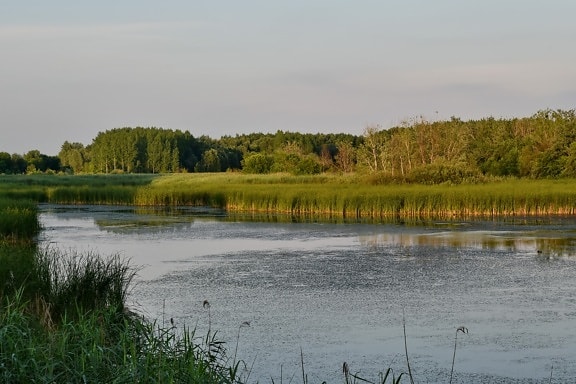
It has a high water content and is often soft. It may be covered with water or remain wet for most of the year.
This type of land is common in low-lying areas and coastal regions.
Why Land Type Matters
Land type affects everything.
It determines the kind of foundation we will use, how we manage water, and how stable our building will be over time.
It also affects how much we will spend from start to finish.
Cost Comparison: Buying Dry Land vs Swamp Land
Now we move to cost. This is where many decisions are made, but we need to look beyond the surface.
1. Initial Purchase Cost
Dry land is usually more expensive.
The reason is simple. It is ready for building, and it requires little preparation.
Swamp land is cheaper. Sellers reduce the price because they know extra work is needed.
This difference can attract many buyers.
2. Hidden Costs in Swamp Land
This is where many people make mistakes.
Swamp land requires sand filling. We need to raise the ground level before building.
We may also need piling or special foundation systems. These are more complex and cost more.
Drainage systems are also required to manage water.
When we add all these costs, the total can become very high.
3. Long-Term Cost Considerations
We must also think long-term.
Dry land usually has fewer maintenance issues. Once we build, we face fewer problems.
Swamp land may require ongoing drainage work and repairs. Water issues can come back if not managed well.
Over time, this can increase our expenses.
Building Impact on Dry Land
Now we focus on construction. We start with dry land because it is simpler.
1. Foundation Requirements
Dry land supports simple foundation types.
We can use standard foundations without special methods. This reduces cost and complexity.
2. Construction Speed
Building on dry land is faster.
We can start work almost immediately after basic site clearing. There is little delay.
This helps us save time.
3. Structural Stability
Dry land provides strong support.
Buildings are more stable because the soil is firm. This reduces the risk of settlement or cracks.
4. Maintenance Needs
Maintenance is lower.
There is less risk of water damage. The structure remains stable for a long time if built properly.
Building Impact on Swamp Land
Now we move to swamp land. This is where more planning is needed.
1. Land Preparation
Swamp land needs preparation before building.
We must fill the land with sand to raise the level. This process takes time and money.
Without proper filling, building cannot start.
2. Foundation Type
The foundation must be stronger.
In many cases, piling or reinforced foundations are required. This adds to cost and technical work.
We cannot use simple foundation methods here.
3. Drainage Systems
Drainage is very important.
We must create channels to control water. Without proper drainage, the land can flood.
This affects the building.
4. Risk Factors
There are more risks.
If the work is not done properly, the building may have structural issues. There can be settlement or water damage.
Long-term maintenance may also be required.
Which is Better for Us – Dry Land or Swamp Land?
Now we compare both options directly so we can make a clear decision.
1. Cost vs Value
Dry land has a higher upfront cost.
But building costs are lower, and maintenance is easier.
Swamp land is cheaper to buy.
But development costs are higher, and long-term expenses may increase.
We must look at total cost, not just the purchase price.
2. Suitability for Different Buyers
Dry land is suitable for buyers who want a simple process.
If we want to build quickly and avoid complications, this is the better option.
Swamp land may suit those with a lower initial budget.
It can also work for those who plan to develop gradually.
3. Risk and Comfort
Dry land offers more comfort.
There are fewer uncertainties, and the process is more predictable.
Swamp land requires planning.
We must involve experts and manage risks carefully.
4. Long-Term Investment
Dry land often holds value well.
Buyers prefer land that is easy to develop.
Swamp land can also increase in value.
But this usually happens after proper development.
5. Final Decision Guide
We must base our decision on three things.
Our budget, our timeline, and our tolerance for risk.
If we want a simple and stable option, dry land is better.
If we are ready to invest more in development and manage risk, swamp land can work.
Tips Before Buying Any Land
No matter the type of land, we need to follow some key steps.
1. Conduct Soil Testing
We should test the soil.
This helps us understand the condition and what type of foundation is needed.
2. Inspect the Land Physically
We must visit the site.
We check for water, soil condition, and surrounding environment.
This gives us real information.
3. Consult Professionals
We should work with experts.
Engineers, surveyors, and builders can guide us and prevent mistakes.
4. Calculate Total Development Cost
We must calculate everything.
This includes land preparation, foundation, and construction.
We should not focus only on the purchase price.
5. Plan for Drainage
We must plan water management.
Even dry land needs proper drainage.
This protects the building.
When Swamp Land May Still Be a Good Option
Even with challenges, swamp land can still work in some cases.
1. Budget Constraints
If our budget is low, swamp land can be an entry point.
We can secure land at a lower price.
2. Long-Term Development Plans
If we are not in a hurry, swamp land can work.
We can develop it gradually over time.
3. Availability in High-Demand Areas
In some locations, swamp land is the only option.
If the area has value, it may still be worth considering.
4. Proper Engineering Support
With the right professionals, risks can be managed.
Proper design and construction can make swamp land usable.
Conclusion
We need to keep our conclusion clear. Land type affects both cost and building outcome.
Dry land is simple, stable, and easier to manage. Swamp land requires more planning, more cost, and more care.
We must always calculate total cost before making a decision.
We should involve professionals and follow the right process. This is how we avoid mistakes and build with confidence.